<?xml version="1.0" encoding="UTF-8"?>
<!DOCTYPE html PUBLIC "-//W3C//DTD XHTML 1.1//EN" "http://www.w3.org/TR/xhtml11/DTD/xhtml11.dtd">
<html xmlns="http://www.w3.org/1999/xhtml" xml:lang="en">
<head>
<meta content="text/html; charset=UTF-8" http-equiv="content-type" />
<meta http-equiv="Content-Language" content="en" />
<meta name="generator" content="Pressbooks 5.20.1" />
<meta name="pb-authors" content="Laura Bell" />
<meta name="pb-editors" content="Nett Smith" />
<meta name="pb-translators" content="" />
<meta name="pb-reviewers" content="" />
<meta name="pb-illustrators" content="" />
<meta name="pb-contributors" content="" />
<meta name="pb-title" content="Primary Sources Online: Baltimore 20th Century History" />
<meta name="pb-language" content="en" />
<meta name="pb-cover-image" content="https://ubalt.pressbooks.pub/app/uploads/sites/27/2021/04/LBell-scaled.jpg" />
<meta name="pb-primary-subject" content="GPS" />
<meta name="pb-additional-subjects" content="1KBB-US-SEMB" />
<meta name="pb-copyright-holder" content="Laura Bell" />
<meta name="pb-book-license" content="cc-by-nc-sa" />
<title>Primary Sources Online: Baltimore 20th Century History</title>
</head>
<body lang='en' >
<div id="half-title-page"><h1 class="title">Primary Sources Online: Baltimore 20th Century History</h1></div>
<div id="title-page"><h1 class="title">Primary Sources Online: Baltimore 20th Century History</h1><h2 class="subtitle"></h2><h3 class="author">Laura Bell</h3><h3 class="author"></h3><h4 class="publisher"></h4><h5 class="publisher-city"></h5></div>
<div id="copyright-page"><div class="ugc">
<div class="license-attribution"><p><img src="https://ubalt.pressbooks.pub/app/themes/pressbooks-book/packages/buckram/assets/images/cc-by-nc-sa.svg" alt="Icon for the Creative Commons Attribution-NonCommercial-ShareAlike 4.0 International License" /></p><p>Primary Sources Online: Baltimore 20th Century History by Laura Bell is licensed under a <a rel="license" href="https://creativecommons.org/licenses/by-nc-sa/4.0/">Creative Commons Attribution-NonCommercial-ShareAlike 4.0 International License</a>, except where otherwise noted.</p></div>
</div></div>
<div id="toc"><h1>Contents</h1><ul><li class="front-matter introduction"><a href="#front-matter-introduction"><span class="toc-chapter-title">Introduction</span></a></li><li class="part"><a href="#part-main-body">For Instructors</a></li><li class="chapter standard"><a href="#chapter-planning-the-exercise"><span class="toc-chapter-title">Planning the Exercise</span></a></li><li class="chapter standard"><a href="#chapter-preparations-before-class"><span class="toc-chapter-title">Preparations Before Class</span></a></li><li class="chapter standard"><a href="#chapter-activity-implementation"><span class="toc-chapter-title">Activity Implementation</span></a></li><li class="part"><a href="#part-student-class-activity">Student Class Activity</a></li><li class="chapter standard"><a href="#chapter-primary-sources-exercise"><span class="toc-chapter-title">Exploring Baltimore History Through Primary Sources</span></a></li><li class="back-matter appendix"><a href="#back-matter-appendix"><span class="toc-chapter-title">Bibliography</span></a></li></ul></div>
<div class="front-matter introduction" id="front-matter-introduction" title="Introduction"><div class="front-matter-title-wrap"><h3 class="front-matter-number">1</h3><h1 class="front-matter-title">Introduction</h1></div><div class="ugc front-matter-ugc"> <p>Learning about primary sources in an archives where students can see and examine materials is a unique opportunity. This exercise aims to provide a similar level of hands-on active learning while students attend a synchronous class online.</p> <p>This text is intended to help students understand how to use primary sources and how to research at the <a href="http://library.ubalt.edu/special-collections/" target="_blank" rel="noopener" data-url="http://library.ubalt.edu/special-collections/"><strong>University of Baltimore Special Collections &amp; Archives</strong></a> in order to explore potential research topics regarding 20th century social history, arts history, cultural history, and more, in Baltimore, Maryland. The class activity is designed to be completed synchronously in an online learning environment using video conference tools such as <a href="https://zoom.us/" target="_blank" rel="noopener" data-url="https://zoom.us/"><strong>Zoom</strong></a> in order to provide students with a collaborative group based experience.</p> <p>Faculty and instructors of a variety of classes can use this exercise and adapt it as needed in order to help familiarize students with research in the archives. Those that may find it particularly useful include undergraduate interdisciplinary studies (IDIS), history, communications, and design courses. Upper division courses that include archival research projects may also find this exercise to be a useful way to introduce students to research in the archives.</p> <p>If this sounds like the activity for you and your class, then read on!</p> </div></div>
<div class="part " id="part-main-body"><div class="part-title-wrap"><h3 class="part-number">I</h3><h1 class="part-title">For Instructors</h1></div><div class="ugc part-ugc"></div></div>
<div class="chapter standard" id="chapter-planning-the-exercise" title="Planning the Exercise"><div class="chapter-title-wrap"><h3 class="chapter-number">1</h3><h2 class="chapter-title">Planning the Exercise</h2></div><div class="ugc chapter-ugc"> <div class="textbox shaded">This exercise aims to introduce students to primary sources related to Baltimore history and the archival research process in an online learning environment. It draws on the idea that students will engage with materials and learn more by working together during active learning exercises.<span class="footnote"><span class="footnote-indirect" data-fnref="87-1"></span></span> Students will work in small groups, complete an exercise, and report back to the rest of the class for larger class discussion. In this activity student participation and discussion are key collaborative and reflective processes. Instructors should engage with the learning process and work collaboratively with the students in order to discover how primary sources can be used in research projects.</div> <p><span style="text-align: initial;font-size: 1em">This primary source online activity was created by drawing on a variety of existing primary source activity lesson plans.<span class="footnote"><span class="footnote-indirect" data-fnref="87-2"></span></span> <span class="footnote"><span class="footnote-indirect" data-fnref="87-3"></span></span><span class="footnote"><span class="footnote-indirect" data-fnref="87-4"></span></span> Specifically, this exercise uses questions based on the Library of Congress’ <strong><a href="https://www.loc.gov/programs/teachers/getting-started-with-primary-sources/guides/" data-url="https://www.loc.gov/programs/teachers/getting-started-with-primary-sources/guides/">Primary Source Analysis Tool</a></strong> <span class="footnote"><span class="footnote-indirect" data-fnref="87-5"></span></span> in order to help students engage with and analyze primary sources. The way this activity uses the tool is based on the methodology Blake Spitz used when adapting the LOC tool for their exercise as described in their <strong><a href="https://tpscollective.org/notes-from-the-field/structured-close-looking-modifying-a-primary-source-analysis-activity-for-asynchronous-synchronous-remote-teaching/" data-url="https://tpscollective.org/notes-from-the-field/structured-close-looking-modifying-a-primary-source-analysis-activity-for-asynchronous-synchronous-remote-teaching/">2021 article</a>.</strong><span class="footnote"><span class="footnote-indirect" data-fnref="87-6"></span></span> The format of the exercise is also drawn from Kopp’s class exercise “Start to Finish: Learning the Primary Source Research Process in 50 Minutes.”<span class="footnote"><span class="footnote-indirect" data-fnref="87-7"></span></span> These resources can be used to further alter this exercise for a variety of classes.&nbsp;</span></p> <p>Utilizing unique 20th century Baltimore history records from the <strong><a href="http://library.ubalt.edu/special-collections/" target="_blank" rel="noopener" data-url="http://library.ubalt.edu/special-collections/">UBalt Special Collections &amp; Archives</a></strong> will allow students to learn about a variety of local history, social history, and community history topics.</p> <p>&nbsp;</p> <div class="textbox textbox--learning-objectives"><div class="textbox__header"><p class="textbox__title"><strong>Learning Objectives</strong></p> </div> <div class="textbox__content"><ul><li>Use the <strong><a href="http://library.ubalt.edu/special-collections/" target="_blank" rel="noopener" data-url="http://library.ubalt.edu/special-collections/">UBalt Special Collections &amp; Archives</a></strong> to locate primary sources</li> <li>Analyze primary sources</li> <li>Distinguish primary sources from secondary sources</li> <li>Create research questions using primary sources focused on Baltimore history</li> </ul> </div> </div> <h5><strong>Audience: </strong></h5> <p>This exercise is primarily intended for online undergraduate students, but the exercise could also be applicable to graduate students new to using archives. It can be adapted for in-person classes.</p> <h5><strong>Courses:</strong></h5> <p>The exercise can be used broadly as a tool to help students learn to use <strong><a href="http://library.ubalt.edu/special-collections/" data-url="http://library.ubalt.edu/special-collections/">The University of Baltimore Special Collections &amp; Archives</a></strong> and to help students understand and use primary sources. This exercise is relevant to University of Baltimore students in interdisciplinary studies, history courses, and communications or design courses.&nbsp; It is also applicable to any instructor or student interested in learning to use the archives for research on Baltimore history.</p> <div class="textbox textbox--examples"><div class="textbox__header"><strong>Collections Utilized From UBalt Special Collections &amp; Archives:</strong></div> <div class="textbox__content"><ul><li><a href="https://archivesspace.ubalt.edu/repositories/2/resources/99" target="_blank" rel="noopener" data-url="https://archivesspace.ubalt.edu/repositories/2/resources/99"><strong>Robert Breck Chapman Photographs</strong></a>, R0102-RBC. University of Baltimore Special Collections &amp; Archives.</li> <li><a href="https://archivesspace.ubalt.edu/repositories/2/resources/80" target="_blank" rel="noopener" data-url="https://archivesspace.ubalt.edu/repositories/2/resources/80"><strong>Movement Against Destruction Records</strong></a><span style="text-align: initial;background-color: initial;font-size: 1em">, R0062-MAD. University of Baltimore Special Collections &amp; Archives.</span></li> <li><a href="https://archivesspace.ubalt.edu/repositories/2/resources/136" target="_blank" rel="noopener" data-url="https://archivesspace.ubalt.edu/repositories/2/resources/136"><strong>Baltimore Voices Company Records</strong></a>, R0020-BVS. University of Baltimore Special Collections &amp; Archives.</li> <li><a href="https://archivesspace.ubalt.edu/repositories/2/resources/137" target="_blank" rel="noopener" data-url="https://archivesspace.ubalt.edu/repositories/2/resources/137"><strong>Citizens Planning and Housing Association Records,</strong></a><span style="text-align: initial;background-color: initial;font-size: 1em">&nbsp;R0032-CPHA. University of Baltimore Special Collections &amp; Archives.</span></li> <li><a href="https://archivesspace.ubalt.edu/repositories/2/resources/55" target="_blank" rel="noopener" data-url="https://archivesspace.ubalt.edu/repositories/2/resources/55"><strong>League of Women Voters of Baltimore City Records</strong></a>, R0061-LWV. University of Baltimore Special Collections &amp; Archives.</li> </ul> </div> </div> <div class="footnotes"><div id='87-1'>
Center for Educational Innovation. (n.d.). Active Learning. Retrieved February, 2021, from <a href="https://cei.umn.edu/active-learning#:~:text=Active%20learning%20is%20any%20approach,of%20knowledge%20from%20an%20expert" target="_blank" rel="noopener" data-url="https://cei.umn.edu/active-learning#:~:text=Active%20learning%20is%20any%20approach,of%20knowledge%20from%20an%20expert">https://cei.umn.edu/active-learning</a>.
</div><div id='87-2'>
The exercise is based on several online resources. Barton, M., &amp; The RBMS Instruction and Outreach Committee. (2019, May). A lesson plan template. Retrieved March, 2021, from <a href="https://tpscollective.org/guidelines-toolkit/toolkits-planning-with-the-guidelines-1/" target="_blank" rel="noopener" data-url="https://tpscollective.org/guidelines-toolkit/toolkits-planning-with-the-guidelines-1/">https://tpscollective.org/guidelines-toolkit/toolkits-planning-with-the-guidelines-1/</a>.
</div><div id='87-3'>
Spitz, B. (2021, March). Structured Close Looking: Modifying a Primary Source Analysis Activity for Asynchronous &amp; Synchronous Remote Teaching. Retrieved March, 2021, from <a href="https://tpscollective.org/notes-from-the-field/structured-close-looking-modifying-a-primary-source-analysis-activity-for-asynchronous-synchronous-remote-teaching/" target="_blank" rel="noopener" data-url="https://tpscollective.org/notes-from-the-field/structured-close-looking-modifying-a-primary-source-analysis-activity-for-asynchronous-synchronous-remote-teaching/">https://tpscollective.org/notes-from-the-field/structured-close-looking-modifying-a-primary-source-analysis-activity-for-asynchronous-synchronous-remote-teaching/</a>.
</div><div id='87-4'>
“Primary Source Analysis Tool,” Getting Started with Primary Sources, Library of Congress, accessed January 21, 2021, <a href="https://www.loc.gov/programs/teachers/getting-started-with-primary-sources/guides/" target="_blank" rel="noopener" data-url="https://www.loc.gov/programs/teachers/getting-started-with-primary-sources/guides/">https://www.loc.gov/programs/teachers/getting-started-with-primary-sources/guides/</a>
</div><div id='87-5'>
“Primary Source Analysis Tool,” Getting Started with Primary Sources, Library of Congress, accessed January 21, 2021, <a href="https://www.loc.gov/programs/teachers/getting-started-with-primary-sources/guides/" data-url="https://www.loc.gov/programs/teachers/getting-started-with-primary-sources/guides/">https://www.loc.gov/programs/teachers/getting-started-with-primary-sources/guides/</a>
</div><div id='87-6'>
Spitz, B. (2021, March). Structured Close Looking: Modifying a Primary Source Analysis Activity for Asynchronous &amp; Synchronous Remote Teaching. Retrieved March, 2021, from <a href="https://tpscollective.org/notes-from-the-field/structured-close-looking-modifying-a-primary-source-analysis-activity-for-asynchronous-synchronous-remote-teaching/" target="_blank" rel="noopener" data-url="https://tpscollective.org/notes-from-the-field/structured-close-looking-modifying-a-primary-source-analysis-activity-for-asynchronous-synchronous-remote-teaching/">https://tpscollective.org/notes-from-the-field/structured-close-looking-modifying-a-primary-source-analysis-activity-for-asynchronous-synchronous-remote-teaching/</a>
</div><div id='87-7'>Kopp, Maggie (2014). Start to Finish: Learning the Primary Source Research Process in 50 Minutes. In Bahde, A., Smedberg, H., &amp; Taormina, M. (Eds.) Using Primary Sources: Hands-On Instructional Exercises: Hands-On Instructional Exercises. (pp. `8-20). ABC-CLIO.</div></div></div></div>
<div class="chapter standard" id="chapter-preparations-before-class" title="Preparations Before Class"><div class="chapter-title-wrap"><h3 class="chapter-number">2</h3><h2 class="chapter-title">Preparations Before Class</h2></div><div class="ugc chapter-ugc"> <p>Distribute the resources for archival research below to students before class and ask them to explore them thoroughly and bring questions to class. When you send students the resources consider also including question prompts.</p> <h5><strong>Resources for Archival Research</strong>:</h5> <ul><li><a href="http://library.ubalt.edu/special-collections/" target="_blank" rel="noopener" data-url="http://library.ubalt.edu/special-collections/"><strong>UBalt Special Collections &amp; Archives</strong> <strong>website</strong></a></li> <li>The <strong><a href="https://ubalt.libguides.com/c.php?g=1073358" target="_blank" rel="noopener" data-url="https://ubalt.libguides.com/c.php?g=1073358">Research Using the Archives LibGuide</a> </strong></li> <li>Search using the <strong><a href="https://archivesspace.ubalt.edu/" target="_blank" rel="noopener" data-url="https://archivesspace.ubalt.edu/">Online Collections Database</a></strong> to find archival collections</li> </ul> <h5><strong>Examples of Question Prompts for Students:&nbsp; &nbsp;</strong></h5> <ul><li>Are there words or phrases on the website or LibGuide that you don’t understand and can’t discern using contextual clues?</li> <li>What results did you find in the <a href="https://archivesspace.ubalt.edu/" data-url="https://archivesspace.ubalt.edu/"><strong>Online Collections Database</strong></a>?</li> <li>What geographic area and time period are found in the archival collections you found in the database?</li> <li>What are the differences between the primary resources found in archives and secondary resources?</li> </ul> <p>These are tools students will use during class; additionally, they will help students when using the archives in the future. Students should iteratively explore the resources before, during, and after class on their own.&nbsp; The entire class time should not be devoted to reviewing the tools.</p> <p>In order to prepare for the exercise, the instructor should examine the collection finding aids for the items in the exercise; consider answering the exercise questions for each item to better assist students during the class activity. A demonstration of the activity is included in this document.</p> <p>Instructors should also plan to have any necessary online course virtual meeting tools (<a href="https://zoom.us/" target="_blank" rel="noopener" data-url="https://zoom.us/"><strong>Zoom</strong></a> or other online synchronous learning tools, etc.) in place before beginning the class. Instructors should plan for students to work online either individually or in online break-out room groups.</p> <div class="textbox shaded">Questions? <a href="https://ubalt.libanswers.com/form.php" target="_blank" rel="noopener" data-url="https://ubalt.libanswers.com/form.php"><strong>Consult an archivist at UBalt Special Collections &amp; Archives.</strong></a></div> </div></div>
<div class="chapter standard" id="chapter-activity-implementation" title="Activity Implementation"><div class="chapter-title-wrap"><h3 class="chapter-number">3</h3><h2 class="chapter-title">Activity Implementation</h2></div><div class="ugc chapter-ugc"> <h3><strong>Activity Outline <span class="footnote"><span class="footnote-indirect" data-fnref="5-1"></span></span><span class="footnote"><span class="footnote-indirect" data-fnref="5-2"></span></span><span class="footnote"><span class="footnote-indirect" data-fnref="5-3"></span></span></strong></h3> <p><strong>Class Time: </strong></p> <p>Approximately 60 minutes</p> <h4><strong>Step 1: Setting the Stage to Investigate Primary Sources and Archives (15–20 min)</strong></h4> <p><strong>Instructor (to students): </strong>Begin the activity with a brief review of the <a href="#chapter-preparations-before-class" data-url="https://ubalt.pressbooks.pub/primarysourcesbaltimorehistory/chapter/preparations-before-class/"><strong>Resources for Archival Research</strong></a>&nbsp; in the previous section of this text.&nbsp; Students should have explored these tools that provide an introduction to archives before class. Most of us have likely been to a library, but many people have not have visited an archive and the <strong><a href="#chapter-preparations-before-class" data-url="https://ubalt.pressbooks.pub/primarysourcesbaltimorehistory/chapter/preparations-before-class/">Resources for Archival Research</a></strong> will provide necessary background information.</p> <p><a href="https://dictionary.archivists.org/entry/archives.html" target="_blank" rel="noopener" data-url="https://dictionary.archivists.org/entry/archives.html"><strong><span class="glossary-term">Archives</span></strong></a> house unique materials that document the lives and activities of individuals, groups, and organizations.<span class="footnote"><span class="footnote-indirect" data-fnref="5-4"></span></span> These items include <span class="glossary-term"><a href="https://dictionary.archivists.org/entry/primary-source.html" target="_blank" rel="noopener" data-url="https://dictionary.archivists.org/entry/primary-source.html"><strong>primary sources</strong></a>,</span> or materials created at the time of the original event being researched.<span class="footnote"><span class="footnote-indirect" data-fnref="5-5"></span></span> Primary sources were created by people with experience of the time, topic, or event. Working with primary sources can help us gain a fuller understanding of history through the experiences of people who lived it.</p> <p>* Remember that <span class="glossary-term"><strong>secondary sources</strong></span> are items like textbooks or scholarly articles that provide valuable analysis and interpretation of data or other primary sources.</p> <p>In this activity everyone will have a chance to explore primary sources from 20th century Baltimore history and consider how to use them in order to form research questions. While we can’t use physical items as we would in-person, we hope you will enjoy playing detective and examining the digital surrogates of items in the archives.</p> <p>Before class, students should explore the <strong><a href="https://ubalt.libguides.com/c.php?g=1073358&amp;p=7816836" target="_blank" rel="noopener" data-url="https://ubalt.libguides.com/c.php?g=1073358&amp;p=7816836">Research Using the Archives LibGuide</a>. </strong>Address any questions students have about the first few sections of this guide and review as necessary.</p> <p>If students don’t offer questions, then highlight the <strong><a href="https://ubalt.libguides.com/c.php?g=1073358&amp;p=7816836" target="_blank" rel="noopener" data-url="https://ubalt.libguides.com/c.php?g=1073358&amp;p=7816836">Introduction to Primary Sources and Archives</a> </strong>page and <strong><a href="https://ubalt.libguides.com/c.php?g=1073358&amp;p=7831222" target="_blank" rel="noopener" data-url="https://ubalt.libguides.com/c.php?g=1073358&amp;p=7831222">Finding Archival Collections at UBalt Special Collections &amp; Archives.</a></strong> Encourage students to revisit to this guide during the exercise.</p> <h4><strong>Step 2: Analyze Primary Source in Groups (10 min)</strong></h4> <p>Divide students into small groups to collaboratively work with one of the digital collection items. Direct students to the <strong><a href="#chapter-primary-sources-exercise" data-url="https://ubalt.pressbooks.pub/primarysourcesbaltimorehistory/chapter/primary-sources-exercise/">online activity</a></strong> (found in next section/Chapter 4), which will provide them with the digital item and the link to the finding aid. Ask that they look at both to complete the questions. Students can use these resources and those provided before class. They can also use the internet and other knowledge.</p> <p>Students will answer questions adapted from the Library of Congress’ <strong><a href="https://www.loc.gov/programs/teachers/getting-started-with-primary-sources/guides/" data-url="https://www.loc.gov/programs/teachers/getting-started-with-primary-sources/guides/">Primary Source Analysis Tool</a>.</strong><span class="footnote"><span class="footnote-indirect" data-fnref="5-6"></span></span></p> <div class="postbox h5p-sidebar"><div class="h5p-action-bar-settings h5p-panel"><code><span class="interactive-content__icon"></span> An interactive or media element has been excluded from this version of the text. You can view it online here:<br /> <a href="https://ubalt.pressbooks.pub/primarysourcesbaltimorehistory/?p=5#pb-interactive-content" title="Analyzing Primary Sources" data-url="https://ubalt.pressbooks.pub/primarysourcesbaltimorehistory/?p=5#pb-interactive-content">https://ubalt.pressbooks.pub/primarysourcesbaltimorehistory/?p=5</a> </code></div> <p></p></div> <h4><strong>Step 3: Brainstorm Research Questions and Identify Other Resources to Explore Regarding Baltimore History (10–15 min)</strong></h4> <p>The class returns from small group work to review the worksheets and their answers together. Then students return to work in small groups to identify a specific research topic related to their object and brainstorm other resources to use for a possible research project. Students should use the objects, finding aids, and the LibGuide to assist them with this brainstorming process.</p> <h4><strong>Step 4: Discuss Research Questions and Search Strategies as a Class for Primary and Secondary Resources (15 min)</strong></h4> <p>At the end of Step 3, the class comes together again to discuss search strategies for both primary and secondary resources; review resources available through the archives; and answer any questions.</p> <div class="textbox shaded"><p><strong>At the End of Class Student Will:</strong></p> <ul><li>Demonstrate an understanding of primary sources and knowledge of the research process in the archives</li> <li>Complete and submit activity worksheet answers</li> <li>Use and understand tools and workflows that can be applied to future research assignment in the archives</li> <li>Create a list of potential resources to use for research assignments</li> </ul> <p>After class the group will have created a list of search strategies based on their object(s) and have a better understanding of using archives for future projects. The instructor will then be able to set up assignments using the archives outside of class and ask students to contact the UBalt Special Collections &amp; Archives for assistance. The instructor could also choose to use this exercise as an introduction on which to build a larger project for the class, but that would be separate from this exercise.</p> </div> <h4><strong>Variations</strong></h4> <p>This exercise includes pre-selected digitized items from archival collections at UBalt Special Collections &amp; Archives and is intended to be completed as a group exercise for students learning online. Alternatively, this exercise could be explained and set up for students to complete online individually and/or asynchronously if necessary. However, learning in small groups and having the opportunity to explore the objects together with instructor feedback may provide a more engaging hands-on learning experience.</p> <div class="footnotes"><div id='5-1'>
The format of this exercise is based on: Barton, M., &amp; The RBMS Instruction and Outreach Committee. (2019, May). A lesson plan template. Retrieved March, 2021, from <a href="https://tpscollective.org/guidelines-toolkit/toolkits-planning-with-the-guidelines-1/" target="_blank" rel="noopener" data-url="https://tpscollective.org/guidelines-toolkit/toolkits-planning-with-the-guidelines-1/">https://tpscollective.org/guidelines-toolkit/toolkits-planning-with-the-guidelines-1/</a>
</div><div id='5-2'>
The activity is based on: Spitz, B. (2021, March). Structured Close Looking: Modifying a Primary Source Analysis Activity for Asynchronous &amp; Synchronous Remote Teaching. Retrieved March, 2021, from <a href="https://tpscollective.org/notes-from-the-field/structured-close-looking-modifying-a-primary-source-analysis-activity-for-asynchronous-synchronous-remote-teaching/" target="_blank" rel="noopener" data-url="https://tpscollective.org/notes-from-the-field/structured-close-looking-modifying-a-primary-source-analysis-activity-for-asynchronous-synchronous-remote-teaching/">https://tpscollective.org/notes-from-the-field/structured-close-looking-modifying-a-primary-source-analysis-activity-for-asynchronous-synchronous-remote-teaching/</a>
</div><div id='5-3'>The activity is also based on: Kopp, Maggie (2014). Start to Finish: Learning the Primary Source Research Process in 50 Minutes. In Bahde, A., Smedberg, H., &amp; Taormina, M. (Eds.) Using Primary Sources: Hands-On Instructional Exercises: Hands-On Instructional Exercises. (pp. `8-20). ABC-CLIO.</div><div id='5-4'>
<a href="https://dictionary.archivists.org/entry/archives.html" target="_blank" rel="noopener" data-url="https://dictionary.archivists.org/entry/archives.html">https://dictionary.archivists.org/entry/archives.html</a>
</div><div id='5-5'>
<a href="https://dictionary.archivists.org/entry/primary-source.html" target="_blank" rel="noopener" data-url="https://dictionary.archivists.org/entry/primary-source.html">https://dictionary.archivists.org/entry/primary-source.html</a>
</div><div id='5-6'>
“Primary Source Analysis Tool,” Getting Started with Primary Sources, Library of Congress, accessed January 21, 2021,&nbsp;<a href="https://www.loc.gov/programs/teachers/getting-started-with-primary-sources/guides/" target="_blank" rel="noopener" data-url="https://www.loc.gov/programs/teachers/getting-started-with-primary-sources/guides/">https://www.loc.gov/programs/teachers/getting-started-with-primary-sources/guides/ </a>
</div></div></div></div>
<div class="part " id="part-student-class-activity"><div class="part-title-wrap"><h3 class="part-number">II</h3><h1 class="part-title">Student Class Activity</h1></div><div class="ugc part-ugc"></div></div>
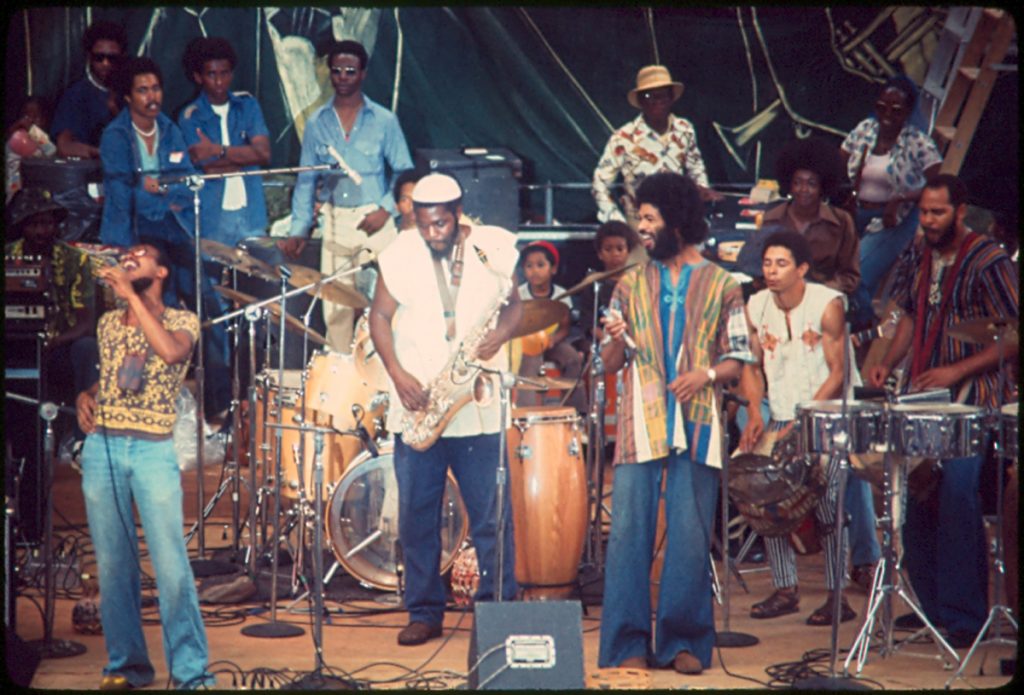
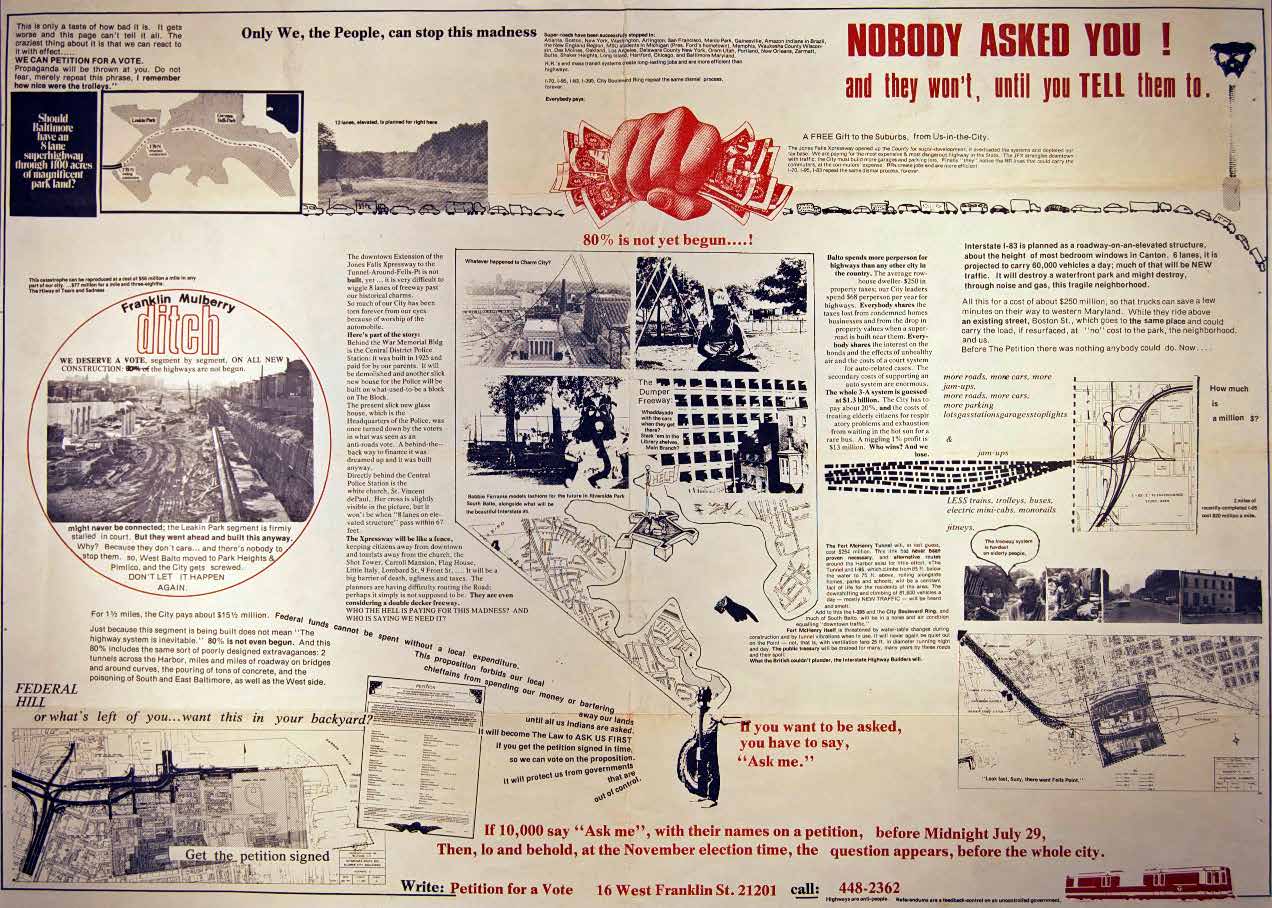
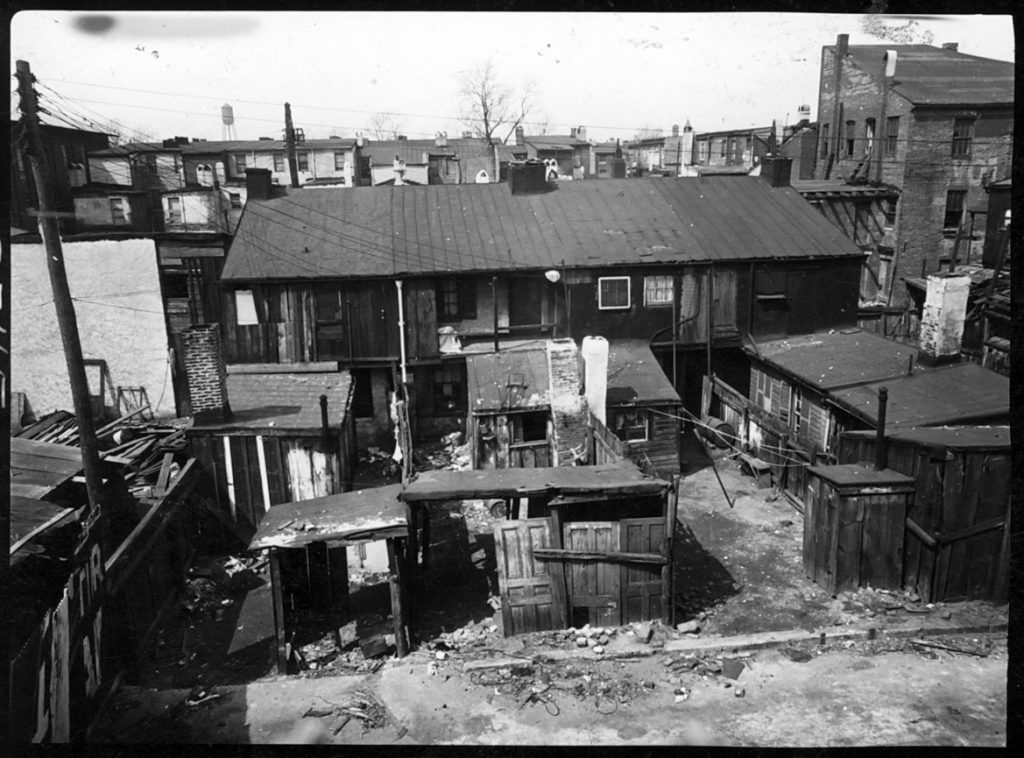
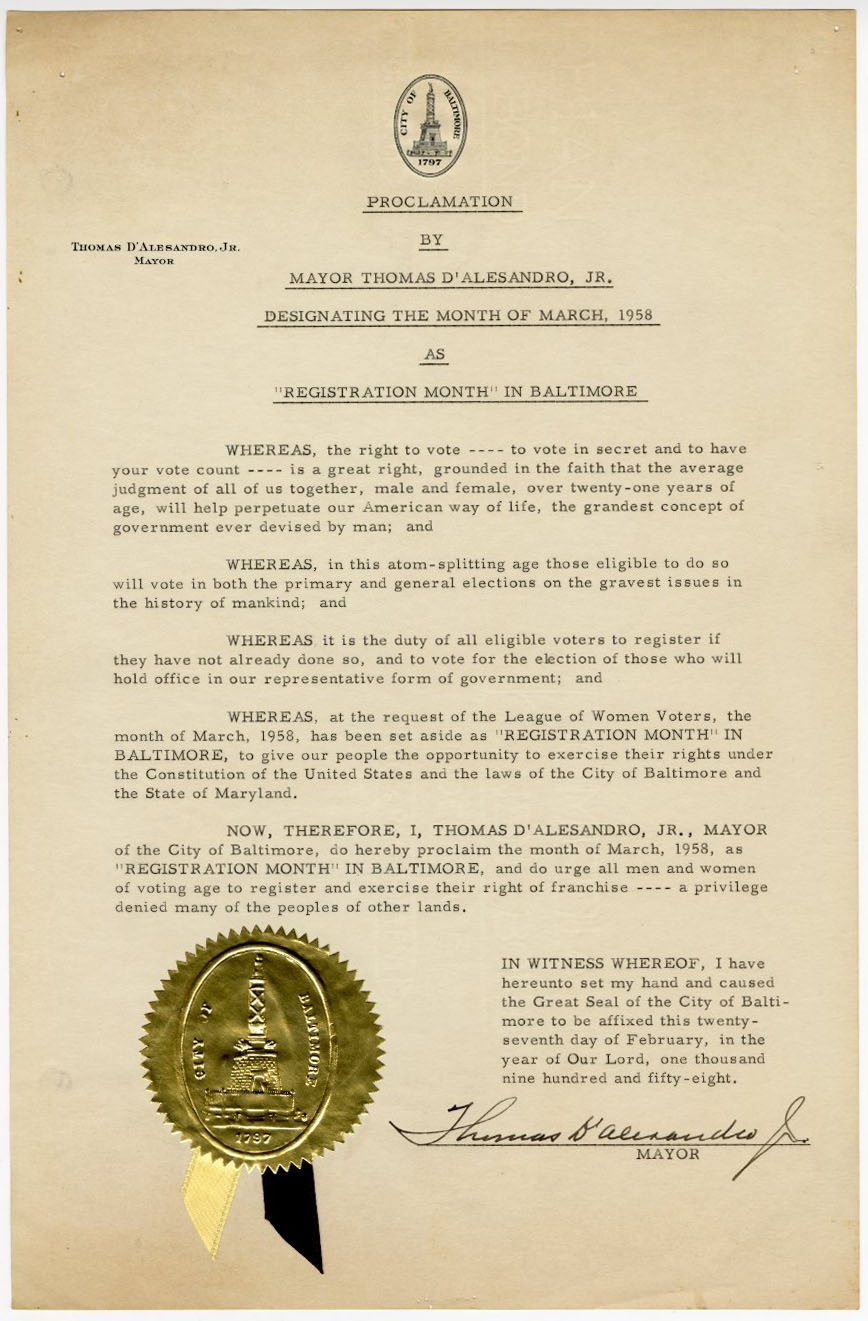
<div class="chapter standard" id="chapter-primary-sources-exercise" title="Exploring Baltimore History Through Primary Sources"><div class="chapter-title-wrap"><h3 class="chapter-number">4</h3><h2 class="chapter-title">Exploring Baltimore History Through Primary Sources</h2></div><div class="ugc chapter-ugc"> <div class="textbox textbox--learning-objectives"><div class="textbox__header"><strong>Before Class Assignment: Explore and Become Familiar Using</strong></div> <div class="textbox__content"><ul><li><a href="http://library.ubalt.edu/special-collections/" target="_blank" rel="noopener" data-url="http://library.ubalt.edu/special-collections/"><strong>UBalt Special Collections &amp; Archives</strong> <strong>website</strong></a></li> <li><strong><a href="https://ubalt.libguides.com/c.php?g=1073358" target="_blank" rel="noopener" data-url="https://ubalt.libguides.com/c.php?g=1073358">Research Using the Archives LibGuide</a></strong></li> <li><strong><a href="https://archivesspace.ubalt.edu/" target="_blank" rel="noopener" data-url="https://archivesspace.ubalt.edu/">Online Collections Database</a></strong></li> </ul> <p>Bring any questions you have to discuss with the class!</p> </div> </div> <h3><strong>The In-Class Activity: Exploring Baltimore History Through Primary Sources</strong></h3> <div class="textbox textbox--key-takeaways"><div class="textbox__header"><p class="textbox__title"><strong>Learning Objectives:</strong></p> </div> <div class="textbox__content"><ul><li>Use the&nbsp;<strong><a href="http://library.ubalt.edu/special-collections/" target="_blank" rel="noopener" data-url="http://library.ubalt.edu/special-collections/">UBalt Special Collections &amp; Archives</a></strong>&nbsp;to locate primary sources</li> <li>Analyze primary sources</li> <li>Distinguish primary sources from secondary sources</li> <li>Create research questions using primary sources focused on Baltimore history</li> </ul> </div> </div> <h4><strong>Instructions</strong></h4> <p><strong>Step 1:&nbsp;</strong>Before class you were given a few resources to explore. Bring any questions you have about these resources to class to discuss with the instructor and your classmates. Today you’ll learn to investigate primary sources together—the more questions the better!</p> <p><strong>Step 2: </strong>Your instructor will introduce the <strong>Exploring Baltimore History Through Primary Sources</strong> activity and then separate everyone into up to five groups. Each group will have an item (a <span class="glossary-term">primary source</span>). Use your item and the <span class="glossary-term"><strong>finding aid</strong></span> for its collection to answer the activity questions 1–3.</p> <p><strong>Step 3:&nbsp;</strong>The class will come together to describe and share what they learned about their primary sources. The class can discuss, ask questions about each item, and offer feedback for additional questions.</p> <p><strong>Step 4:&nbsp;</strong>Back in your small groups, you will answer question 4 and discuss research questions using the item. Also, begin to consider other sources you might use in such a research project.</p> <p><strong>Step 5:&nbsp;</strong>As a class you will discuss your research questions and search strategies; review resources in the archives and the library; and ask any lasting questions.</p> <p><strong>End of Class: Don’t forget!&nbsp;</strong>Download your answers so that you can turn them into your instructor for credit.</p> <hr /> <div><div class="postbox h5p-sidebar"><div style="text-align: left"><div class="textbox textbox--exercises"><div class="textbox__header"><p class="textbox__title"><strong>Use the form below <span class="footnote"><span class="footnote-indirect" data-fnref="24-1"></span></span> to answer questions while analyzing your primary source item. Work with your group and read all directions carefully.</strong></p> </div> <div class="textbox__content"><p><code></code></p> <div class="textbox interactive-content"><span class="interactive-content__icon"></span> <p>An interactive or media element has been excluded from this version of the text. You can view it online here:<br /> <a href="https://ubalt.pressbooks.pub/primarysourcesbaltimorehistory/?p=24#pb-interactive-content" title="Analyzing Primary Sources" data-url="https://ubalt.pressbooks.pub/primarysourcesbaltimorehistory/?p=24#pb-interactive-content">https://ubalt.pressbooks.pub/primarysourcesbaltimorehistory/?p=24</a> </p> </div> <p></p> </div> </div> </div> </div> </div> <div class="mceTemp"></div> <div class="textbox"><p><strong>Group 1:<br /> </strong></p> <p>&nbsp;</p> <div class="wp-caption aligncenter" id="attachment_109" aria-describedby="caption-attachment-109" style="width: 1024px"><img class="wp-image-109 size-large" title="Gil Scott-Heron performs onstage at the Afro-American (AFRAM) Exposition, Hopkins Plaza, Baltimore MD" src="https://ubalt.pressbooks.pub/app/uploads/sites/27/2021/04/4724941754_038127de7b_o-1024x695.jpg" alt="Gil Scott-Heron performs onstage at the Afro-American (AFRAM) Exposition, Hopkins Plaza, Baltimore MD" width="1024" height="695" srcset="https://ubalt.pressbooks.pub/app/uploads/sites/27/2021/04/4724941754_038127de7b_o-1024x695.jpg 1024w, https://ubalt.pressbooks.pub/app/uploads/sites/27/2021/04/4724941754_038127de7b_o-300x204.jpg 300w, https://ubalt.pressbooks.pub/app/uploads/sites/27/2021/04/4724941754_038127de7b_o-768x522.jpg 768w, https://ubalt.pressbooks.pub/app/uploads/sites/27/2021/04/4724941754_038127de7b_o-65x44.jpg 65w, https://ubalt.pressbooks.pub/app/uploads/sites/27/2021/04/4724941754_038127de7b_o-225x153.jpg 225w, https://ubalt.pressbooks.pub/app/uploads/sites/27/2021/04/4724941754_038127de7b_o-350x238.jpg 350w, https://ubalt.pressbooks.pub/app/uploads/sites/27/2021/04/4724941754_038127de7b_o.jpg 1200w" /><div class="wp-caption-text" id="caption-attachment-109">Gil Scott-Heron performs onstage at the Afro-American (AFRAM) Exposition, Hopkins Plaza, Baltimore MD. August 8, 1976. Photo ID: rbcae76s0293. Source: Robert Breck Chapman Photographs, R0102-RBC. University of Baltimore Special Collections &amp; Archives.</div></div> <ul><li>Explore the <a href="https://archivesspace.ubalt.edu/repositories/2/resources/99" target="_blank" rel="noopener" data-url="https://archivesspace.ubalt.edu/repositories/2/resources/99"><strong>finding aid describing the Robert Breck Chapman Photographs</strong></a>, R0102-RBC. University of Baltimore Special Collections &amp; Archives.</li> </ul> </div> <div class="mceTemp"></div> <div class="textbox"><p><strong><strong>Group 2:</strong></strong></p> <p>&nbsp;</p> <div class="wp-caption aligncenter" id="attachment_118" aria-describedby="caption-attachment-118" style="width: 1272px"><img class="wp-image-118 size-full" title="Nobody Asked You! And They Won't, Until You Tell Them To, Poster, circa 1975." src="https://ubalt.pressbooks.pub/app/uploads/sites/27/2021/04/mad03c.02.07.jpg" alt="Nobody Asked You! And They Won't, Until You Tell Them To, Poster, circa 1975." width="1272" height="908" srcset="https://ubalt.pressbooks.pub/app/uploads/sites/27/2021/04/mad03c.02.07.jpg 1272w, https://ubalt.pressbooks.pub/app/uploads/sites/27/2021/04/mad03c.02.07-300x214.jpg 300w, https://ubalt.pressbooks.pub/app/uploads/sites/27/2021/04/mad03c.02.07-1024x731.jpg 1024w, https://ubalt.pressbooks.pub/app/uploads/sites/27/2021/04/mad03c.02.07-768x548.jpg 768w, https://ubalt.pressbooks.pub/app/uploads/sites/27/2021/04/mad03c.02.07-65x46.jpg 65w, https://ubalt.pressbooks.pub/app/uploads/sites/27/2021/04/mad03c.02.07-225x161.jpg 225w, https://ubalt.pressbooks.pub/app/uploads/sites/27/2021/04/mad03c.02.07-350x250.jpg 350w" /><div class="wp-caption-text" id="caption-attachment-118">Nobody Asked You! And They Won’t, Until You Tell Them To, Poster, circa 1975. Source: <a href="https://archivesspace.ubalt.edu/repositories/2/resources/80" target="_blank" rel="noopener" data-url="https://archivesspace.ubalt.edu/repositories/2/resources/80"><strong>Movement Against Destruction Records</strong></a><span style="text-align: initial;background-color: initial;font-size: 1em">, R0062-MAD. University of Baltimore Special Collections &amp; Archives.</span></div></div> <ul><li>Explore the <a href="https://archivesspace.ubalt.edu/repositories/2/resources/80" target="_blank" rel="noopener" data-url="https://archivesspace.ubalt.edu/repositories/2/resources/80"><strong>finding aid describing the Movement Against Destruction Records</strong></a><span style="text-align: initial;background-color: initial;font-size: 1em">, R0062-MAD. University of Baltimore Special Collections &amp; Archives.</span></li> </ul> </div> <p>&nbsp;</p> <div><div class="textbox"><p><strong>Group 3:</strong></p> <p><img class="size-medium wp-image-117 aligncenter" src="https://ubalt.pressbooks.pub/app/uploads/sites/27/2021/04/IMG_1806-300x199.jpg" alt="" width="300" height="199" srcset="https://ubalt.pressbooks.pub/app/uploads/sites/27/2021/04/IMG_1806-300x199.jpg 300w, https://ubalt.pressbooks.pub/app/uploads/sites/27/2021/04/IMG_1806-1024x680.jpg 1024w, https://ubalt.pressbooks.pub/app/uploads/sites/27/2021/04/IMG_1806-768x510.jpg 768w, https://ubalt.pressbooks.pub/app/uploads/sites/27/2021/04/IMG_1806-1536x1020.jpg 1536w, https://ubalt.pressbooks.pub/app/uploads/sites/27/2021/04/IMG_1806-2048x1360.jpg 2048w, https://ubalt.pressbooks.pub/app/uploads/sites/27/2021/04/IMG_1806-65x43.jpg 65w, https://ubalt.pressbooks.pub/app/uploads/sites/27/2021/04/IMG_1806-225x149.jpg 225w, https://ubalt.pressbooks.pub/app/uploads/sites/27/2021/04/IMG_1806-350x232.jpg 350w" /></p> <ul><li><strong><strong>Listen to the <a href="https://archive.org/details/ennis_ethel_01?" target="_blank" rel="noopener" data-url="https://archive.org/details/ennis_ethel_01?">Oral History Interview with Ethel Ennis</a>.</strong></strong> <ul><li><div class="textbox interactive-content"><span class="interactive-content__icon"></span> <p>An interactive or media element has been excluded from this version of the text. You can view it online here: <a href="https://ubalt.pressbooks.pub/primarysourcesbaltimorehistory/?p=24#pb-interactive-content" title="Exploring Baltimore History Through Primary Sources" data-url="https://ubalt.pressbooks.pub/primarysourcesbaltimorehistory/?p=24#pb-interactive-content">https://ubalt.pressbooks.pub/primarysourcesbaltimorehistory/?p=24</a> </p> </div> </li> </ul> </li> </ul> <ul><li><strong><strong>Read the <a href="https://ubalt.pressbooks.pub/app/uploads/sites/27/2021/04/R0020_BVC_S01A_B01_F053_Ennis_Ethel.pdf" target="_blank" rel="noopener" data-url="https://ubalt.pressbooks.pub/app/uploads/sites/27/2021/04/R0020_BVC_S01A_B01_F053_Ennis_Ethel.pdf">Oral History Interview with Ethel Ennis Transcript.</a></strong></strong></li> <li><strong>Explore the <a href="https://archivesspace.ubalt.edu/repositories/2/resources/136" target="_blank" rel="noopener" data-url="https://archivesspace.ubalt.edu/repositories/2/resources/136">finding aid describing the Baltimore Voices Company Records</a>, R0020-BVS. University of Baltimore Special Collections &amp; Archives.</strong></li> </ul> </div> <p>&nbsp;</p> <div class="textbox"><p><strong><strong>Group 4:</strong></strong></p> <p>&nbsp;</p> <div class="wp-caption aligncenter" id="attachment_113" aria-describedby="caption-attachment-113" style="width: 1024px"><img class="wp-image-113 size-large" title="Citizens' Planning and Housing Association (CPHA) Collection. University of Baltimore Special Collections &amp;amp; Archives." src="https://ubalt.pressbooks.pub/app/uploads/sites/27/2021/04/4834590632_8d92c8b76a_o-1024x758.jpg" alt="" width="1024" height="758" srcset="https://ubalt.pressbooks.pub/app/uploads/sites/27/2021/04/4834590632_8d92c8b76a_o-1024x758.jpg 1024w, https://ubalt.pressbooks.pub/app/uploads/sites/27/2021/04/4834590632_8d92c8b76a_o-300x222.jpg 300w, https://ubalt.pressbooks.pub/app/uploads/sites/27/2021/04/4834590632_8d92c8b76a_o-768x568.jpg 768w, https://ubalt.pressbooks.pub/app/uploads/sites/27/2021/04/4834590632_8d92c8b76a_o-65x48.jpg 65w, https://ubalt.pressbooks.pub/app/uploads/sites/27/2021/04/4834590632_8d92c8b76a_o-225x166.jpg 225w, https://ubalt.pressbooks.pub/app/uploads/sites/27/2021/04/4834590632_8d92c8b76a_o-350x259.jpg 350w, https://ubalt.pressbooks.pub/app/uploads/sites/27/2021/04/4834590632_8d92c8b76a_o.jpg 1169w" /><div class="wp-caption-text" id="caption-attachment-113">‘Before,’ 1947. The rear of four row houses before the removal of wooden fencing and dilapidated structures from the backyards. Photo ID: cpha0140. Source: Citizens’ Planning and Housing Association (CPHA) Collection. University of Baltimore Special Collections &amp; Archives.</div></div> <ul><li>Explore the <a href="https://archivesspace.ubalt.edu/repositories/2/resources/137" target="_blank" rel="noopener" data-url="https://archivesspace.ubalt.edu/repositories/2/resources/137"><strong>finding aid for the Citizens Planning and Housing Association Records,</strong></a><span style="text-align: initial;background-color: initial;font-size: 1em">&nbsp;R0032-CPHA. University of Baltimore Special Collections &amp; Archives.</span></li> </ul> </div> <div class="textbox"><p><strong><strong>Group 5:</strong></strong></p> <p>&nbsp;</p> <div class="wp-caption aligncenter" id="attachment_116" aria-describedby="caption-attachment-116" style="width: 868px"><img class="wp-image-116 size-full" src="https://ubalt.pressbooks.pub/app/uploads/sites/27/2021/04/LWV-102.jpg" alt="" width="868" height="1321" srcset="https://ubalt.pressbooks.pub/app/uploads/sites/27/2021/04/LWV-102.jpg 868w, https://ubalt.pressbooks.pub/app/uploads/sites/27/2021/04/LWV-102-197x300.jpg 197w, https://ubalt.pressbooks.pub/app/uploads/sites/27/2021/04/LWV-102-673x1024.jpg 673w, https://ubalt.pressbooks.pub/app/uploads/sites/27/2021/04/LWV-102-768x1169.jpg 768w, https://ubalt.pressbooks.pub/app/uploads/sites/27/2021/04/LWV-102-65x99.jpg 65w, https://ubalt.pressbooks.pub/app/uploads/sites/27/2021/04/LWV-102-225x342.jpg 225w, https://ubalt.pressbooks.pub/app/uploads/sites/27/2021/04/LWV-102-350x533.jpg 350w" /><div class="wp-caption-text" id="caption-attachment-116">“Registration Month” Proclamation in Baltimore, March 1958. Source: League of Women Voters of Baltimore City Records, R0061-LWV, University of Baltimore Special Collections &amp; Archives.</div></div> <ul><li>Explore the finding aid for the&nbsp;<a href="https://archivesspace.ubalt.edu/repositories/2/resources/55" target="_blank" rel="noopener" data-url="https://archivesspace.ubalt.edu/repositories/2/resources/55"><strong>League of Women Voters of Baltimore City Records</strong></a>, R0061-LWV. University of Baltimore Special Collections &amp; Archives.</li> </ul> </div> <p>&nbsp;</p> </div> <p>&nbsp;</p> <div class="footnotes"><div id='24-1'>
The questions in this exercise are based on the LOC tool. “Primary Source Analysis Tool,” Getting Started with Primary Sources, Library of Congress, accessed January 21, 2021, <a href="https://www.loc.gov/programs/teachers/getting-started-with-primary-sources/guides/" target="_blank" rel="noopener" data-url="https://www.loc.gov/programs/teachers/getting-started-with-primary-sources/guides/">https://www.loc.gov/programs/teachers/getting-started-with-primary-sources/guides/</a>
</div></div></div></div>
<div class="back-matter appendix" id="back-matter-appendix" title="Bibliography"><div class="back-matter-title-wrap"><h3 class="back-matter-number">1</h3><h1 class="back-matter-title">Bibliography</h1></div><div class="ugc back-matter-ugc"> <p><strong>Resources Consulted in Preparing this Activity Include:</strong></p> <p><span class="TextRun SCXW265537156 BCX0" xml:lang="EN-US" data-contrast="auto"><span class="NormalTextRun SCXW265537156 BCX0">Bahde</span></span><span class="TextRun SCXW265537156 BCX0" xml:lang="EN-US" data-contrast="auto"><span class="NormalTextRun SCXW265537156 BCX0">, Anne.&nbsp;</span></span><span class="TextRun SCXW265537156 BCX0" xml:lang="EN-US" data-contrast="auto"><span class="NormalTextRun SCXW265537156 BCX0">Using Primary S</span></span><span class="TextRun SCXW265537156 BCX0" xml:lang="EN-US" data-contrast="auto"><span class="NormalTextRun SCXW265537156 BCX0">ources: Hands-On Instructional Exercises.</span></span><span class="TextRun SCXW265537156 BCX0" xml:lang="EN-US" data-contrast="auto"><span class="NormalTextRun SCXW265537156 BCX0">&nbsp;(Book). Published 2014.</span></span></p> <p><span class="EOP SCXW265537156 BCX0" data-ccp-props="{&quot;134233279&quot;:true,&quot;201341983&quot;:0,&quot;335559739&quot;:160,&quot;335559740&quot;:259}"><span style="text-align: initial;font-size: 1em">Kopp, Maggie (2014). Start to Finish: Learning the Primary Source Research Process in 50 Minutes. In Bahde, A., Smedberg, H., &amp; Taormina, M. (Eds.) Using Primary Sources: Hands-On Instructional Exercises: Hands-On Instructional Exercises. (pp. `8-20). ABC-CLIO.</span></span></p> <p>“Primary Source Analysis Tool,” Getting Started with Primary Sources, Library of Congress, accessed January 21, 2021,&nbsp;<a href="https://www.loc.gov/programs/teachers/getting-started-with-primary-sources/guides/" target="_blank" rel="noopener" data-url="https://www.loc.gov/programs/teachers/getting-started-with-primary-sources/guides/">https://www.loc.gov/programs/teachers/getting-started-with-primary-sources/guides/</a></p> <p>Barton, M., &amp; The RBMS Instruction and Outreach Committee. (2019, May). A lesson plan template. Retrieved March, 2021, from <a href="https://tpscollective.org/guidelines-toolkit/toolkits-planning-with-the-guidelines-1/" target="_blank" rel="noopener" data-url="https://tpscollective.org/guidelines-toolkit/toolkits-planning-with-the-guidelines-1/">https://tpscollective.org/guidelines-toolkit/toolkits-planning-with-the-guidelines-1/</a></p> <p>Spitz, B. (2021, March). Structured Close Looking: Modifying a Primary Source Analysis Activity for Asynchronous &amp; Synchronous Remote Teaching. Retrieved March, 2021, from <a href="https://tpscollective.org/notes-from-the-field/structured-close-looking-modifying-a-primary-source-analysis-activity-for-asynchronous-synchronous-remote-teaching/" target="_blank" rel="noopener" data-url="https://tpscollective.org/notes-from-the-field/structured-close-looking-modifying-a-primary-source-analysis-activity-for-asynchronous-synchronous-remote-teaching/">https://tpscollective.org/notes-from-the-field/structured-close-looking-modifying-a-primary-source-analysis-activity-for-asynchronous-synchronous-remote-teaching/</a></p> <p>SAA-ACRL/RBMS Joint Task Force on the Development of Guidelines for Primary Source Literacy (JTF-PSL). (2018, June). Guidelinesfor Primary Source Literacy. Retrieved from <a href="https://www2.archivists.org/sites/all/files/GuidelinesForPrimarySourceLiteracy-June2018.pdf" target="_blank" rel="noopener" data-url="https://www2.archivists.org/sites/all/files/GuidelinesForPrimarySourceLiteracy-June2018.pdf">https://www2.archivists.org/sites/all/files/GuidelinesForPrimarySourceLiteracy-June2018.pdf</a></p> <p>Center for Educational Innovation. (n.d.). Active Learning. Retrieved February, 2021, from <a href="https://cei.umn.edu/active-learning#:~:text=Active%20learning%20is%20any%20approach,of%20knowledge%20from%20an%20expert" target="_blank" rel="noopener" data-url="https://cei.umn.edu/active-learning#:~:text=Active%20learning%20is%20any%20approach,of%20knowledge%20from%20an%20expert">https://cei.umn.edu/active-learning#:~:text=Active%20learning%20is%20any%20approach,of%20knowledge%20from%20an%20expert</a>.</p> <p><strong>Additional Useful Resources Include:&nbsp;</strong></p> <p>Gormly, B., Seale, M., Alpert-Abrams, H., Gustavson, A., Kemp, A., Lindquist, T., &amp; Logsdon, A. (2019). Teaching with Digital Primary Sources: Literacies, Finding and Evaluating, Citing, Ethics, and Existing Models. #DLFteach. <a href="https://doi.org/10.21428/65a6243c.6b419f2b" target="_blank" rel="noopener" data-url="https://doi.org/10.21428/65a6243c.6b419f2b">https://doi.org/10.21428/65a6243c.6b419f2b</a>.</p> <p>Sara R. Haviland, “Civil Rights in Brooklyn: A Scaffolded Approach,”&nbsp;<em>TeachArchives.org</em>, accessed [2021, March], <a href="http://www.teacharchives.org/exercises/scaffolded/" target="_blank" rel="noopener" data-url="http://www.teacharchives.org/exercises/scaffolded/">http://www.teacharchives.org/exercises/scaffolded/</a>.</p> <p>Cole, H. (2021, January 11). Teaching with Primary Sources: Online Instruction with Primary Sources. Retrieved February, 2021, from <a href="https://libguides.brown.edu/primarysources" target="_blank" rel="noopener" data-url="https://libguides.brown.edu/primarysources">https://libguides.brown.edu/primarysources</a>.</p> <p>Duke University Libraries. (2020, August 26). Teaching Materiality Online with the Rubenstein Library. Retrieved February, 2021, from <a href="https://guides.library.duke.edu/materiality" target="_blank" rel="noopener" data-url="https://guides.library.duke.edu/materiality">https://guides.library.duke.edu/materiality</a>.</p> </div></div>

</body>
</html>