<?xml version="1.0" encoding="UTF-8"?>
<!DOCTYPE html PUBLIC "-//W3C//DTD XHTML 1.1//EN" "http://www.w3.org/TR/xhtml11/DTD/xhtml11.dtd">
<html xmlns="http://www.w3.org/1999/xhtml" xml:lang="en">
<head>
<meta content="text/html; charset=UTF-8" http-equiv="content-type" />
<meta http-equiv="Content-Language" content="en" />
<meta name="generator" content="Pressbooks 5.18.1" />
<meta name="pb-authors" content="Tracy Worley" />
<meta name="pb-editors" content="Harvey Sky, Nett Smith, and Kristin Conlin" />
<meta name="pb-translators" content="" />
<meta name="pb-reviewers" content="" />
<meta name="pb-illustrators" content="" />
<meta name="pb-contributors" content="" />
<meta name="pb-title" content="Been There, Done That: The Business Student’s Guide to Rhetorical Analysis &amp; Discourse Communities" />
<meta name="pb-language" content="en" />
<meta name="pb-cover-image" content="https://ubalt.pressbooks.pub/app/uploads/sites/8/2020/11/coverposter.jpg" />
<meta name="pb-primary-subject" content="KJP" />
<meta name="pb-publisher" content="Lifestyle Publishing" />
<meta name="pb-publisher-city" content="Edgewood MD" />
<meta name="pb-copyright-holder" content="Tracy L. Worley" />
<meta name="pb-about-140" content="&quot;Been There, Done That: The Business Student’s Guide to Rhetorical Analysis &amp; Discourse Communities&quot; includes guidance for future WRIT 300 MSB students a guide to success – from a college student’s point of view." />
<meta name="pb-short-title" content="Been There, Done That" />
<meta name="pb-publication-date" content="1590278400" />
<meta name="pb-print-isbn" content="9798639341977" />
<meta name="pb-book-license" content="cc-by-nc-sa" />
<meta name="pb-about-50" content="This book was developed by one section of the University of Baltimore spring 2020 Composition and Research (WRIT 300) course for Merrick School of Business (MSB) students. This book is designed to take business students beyond the standard requirements for the class. In addition to exploring rhetorical analysis of discourse community genres, the students developed essays to guide future learners through the development of specific genres used in business-related discourse communities. The hard work and enduring patience of the spring 2020 students has culminated in this publication, &quot;Been There, Done That: The Business Student’s Guide to Rhetorical Analysis &amp; Discourse Communities.&quot; The book includes guidance for future WRIT 300 MSB students a guide to success – from a college student’s point of view." />
<title>Been There, Done That: The Business Student’s Guide to Rhetorical Analysis &amp; Discourse Communities</title>
</head>
<body lang='en' >
<div id="half-title-page"><h1 class="title">Been There, Done That: The Business Student’s Guide to Rhetorical Analysis &amp; Discourse Communities</h1></div>
<div id="title-page"><h1 class="title">Been There, Done That: The Business Student’s Guide to Rhetorical Analysis &amp; Discourse Communities</h1><h2 class="subtitle"></h2><h3 class="author">Tracy Worley</h3><h3 class="author"></h3><h4 class="publisher">Lifestyle Publishing</h4><h5 class="publisher-city">Edgewood MD</h5></div>
<div id="copyright-page"><div class="ugc">
<div class="license-attribution"><p><img src="https://ubalt.pressbooks.pub/app/themes/pressbooks-book/packages/buckram/assets/images/cc-by-nc-sa.svg" alt="Icon for the Creative Commons Attribution-NonCommercial-ShareAlike 4.0 International License" /></p><p>Been There, Done That: The Business Student’s Guide to Rhetorical Analysis &amp; Discourse Communities by Tracy L. Worley is licensed under a <a rel="license" href="https://creativecommons.org/licenses/by-nc-sa/4.0/">Creative Commons Attribution-NonCommercial-ShareAlike 4.0 International License</a>, except where otherwise noted.</p></div>
</div></div>
<div id="toc"><h1>Contents</h1><ul><li class="front-matter miscellaneous"><a href="#front-matter-acknowledgements"><span class="toc-chapter-title">Acknowledgements</span> <span class="chapter-author">Tracy Worley</span></a></li><li class="front-matter introduction"><a href="#front-matter-introduction"><span class="toc-chapter-title">Introduction</span></a></li><li class="part display-none"><a href="#part-main-body">Main Body</a></li><li class="chapter standard"><a href="#chapter-chapter-1"><span class="toc-chapter-title">Grammar Exercise</span> <span class="chapter-author">Tracy Worley</span></a></li><li class="chapter standard"><a href="#chapter-why-do-i-need-to-be-a-good-writer"><span class="toc-chapter-title">Why Do I Need to be a Good Writer?</span> <span class="chapter-author">Nicole Mighty and Ruth Robinson</span></a></li><li class="chapter standard"><a href="#chapter-what-is-good-writing"><span class="toc-chapter-title">What is Good Writing?</span> <span class="chapter-author">Grant Abraham and Caleb Adeosun</span></a></li><li class="chapter standard"><a href="#chapter-standard-english-grammar-free-writing-exercise"><span class="toc-chapter-title">Standard English Grammar Free Writing Exercise</span> <span class="chapter-author">Tracy Worley</span></a></li><li class="chapter standard"><a href="#chapter-topical-outline-business-report-practice"><span class="toc-chapter-title">Topical Outline: Business Report Practice</span></a></li><li class="chapter standard"><a href="#chapter-effective-business-communication-a-discussion-on-jargon"><span class="toc-chapter-title">Effective Business Communication: A Discussion on Jargon</span> <span class="chapter-author">Tracy Worley</span></a></li><li class="chapter standard"><a href="#chapter-preparing-for-composition-and-research"><span class="toc-chapter-title">Rhetorical Analysis and Genre</span> <span class="chapter-author">David Feliz, Miranda Liberto, Timothy Spurrier, and Seng Tsin</span></a></li><li class="chapter standard"><a href="#chapter-ethos-pathos-logos-kairos"><span class="toc-chapter-title">Ethos, Pathos, Logos, Kairos</span> <span class="chapter-author">Tracy Worley</span></a></li><li class="chapter standard"><a href="#chapter-contextual-analysis"><span class="toc-chapter-title">Contextual Analysis (FLAGGED)</span> <span class="chapter-author">Tracy Worley</span></a></li><li class="chapter standard"><a href="#chapter-writing-samples"><span class="toc-chapter-title">What is a Discourse Community?</span> <span class="chapter-author">Tracy Worley</span></a></li><li class="chapter standard"><a href="#chapter-expectations-for-composition-and-research"><span class="toc-chapter-title">Business Jargon</span> <span class="chapter-author">Tracy Worley</span></a></li><li class="chapter standard"><a href="#chapter-identifying-your-discourse-community"><span class="toc-chapter-title">Identifying your Discourse Community</span></a></li><li class="chapter standard"><a href="#chapter-business-genres"><span class="toc-chapter-title">Business Genres</span></a></li><li class="chapter standard"><a href="#chapter-business-memos"><span class="toc-chapter-title">Business Memos</span></a></li><li class="chapter standard"><a href="#chapter-business-memo-practice"><span class="toc-chapter-title">Business Memo Practice</span></a></li><li class="chapter standard"><a href="#chapter-self-marketing"><span class="toc-chapter-title">Self-Marketing</span></a></li><li class="chapter standard"><a href="#chapter-research-and-writing"><span class="toc-chapter-title">Research and Writing</span> <span class="chapter-author">Tracy Worley</span></a></li><li class="chapter standard"><a href="#chapter-online-research-practice"><span class="toc-chapter-title">Online Research Practice</span></a></li><li class="chapter standard"><a href="#chapter-evaluating-sources"><span class="toc-chapter-title">Evaluating Sources</span></a></li><li class="chapter standard"><a href="#chapter-citing-sources"><span class="toc-chapter-title">Citing Sources</span></a></li><li class="chapter standard"><a href="#chapter-the-research-process"><span class="toc-chapter-title">The Writing Process</span> <span class="chapter-author">Tracy Worley and Ruth Robinson</span></a></li><li class="chapter standard"><a href="#chapter-best-practices-for-student-writers"><span class="toc-chapter-title">Best Practices for Student Writers</span> <span class="chapter-author">Tracy Worley</span></a></li><li class="back-matter appendix"><a href="#back-matter-appendix"><span class="toc-chapter-title">Appendix</span></a></li><li class="back-matter miscellaneous"><a href="#back-matter-notes"><span class="toc-chapter-title">NOTES</span></a></li></ul></div>
<div class="front-matter miscellaneous" id="front-matter-acknowledgements" title="Acknowledgements"><div class="front-matter-title-wrap"><h3 class="front-matter-number">1</h3><h1 class="front-matter-title">Acknowledgements</h1><h2 class="chapter-author">Tracy Worley</h2></div><div class="ugc front-matter-ugc"><p>This version of &#8220;Been There, Done That,&#8221; which is an effort of the hardworking staff of the Robert L. Bogomolny Library at the University of Baltimore, is based on a print publication of the same name.  Its adaptation as an open educational resource is the natural evolution of the publication and the author/editor and contributors of this text are pleased to make it available to educators state-wide.</p> <p>We would like to thank Dr. Sally Farley and the University of Baltimore Office of the Helen P. Denit Honors Program for the grant that supported the print publication of this book. We also acknowledge the hard work of Lifestyle Publishing staff and editors. We’d also like to especially thank Dr. Terese Thonus, director of the University of Baltimore Writing Program, and the students of the spring 2020 WRIT 300 MSB enhanced course.</p> <p>Finally, and most importantly, we want to thank God for blessing each of us with the ability to express ourselves through the written word.</p> </div></div>
<div class="front-matter introduction" id="front-matter-introduction" title="Introduction"><div class="front-matter-title-wrap"><h3 class="front-matter-number">2</h3><h1 class="front-matter-title">Introduction</h1></div><div class="ugc front-matter-ugc"><p>Although written specifically for University of Baltimore students, this book may be adapted for use with any composition and research course focusing on business discourse. This text was developed by one section of the spring 2020 Composition and Research (WRIT 300) course for Merrick School of Business (MSB) students. It is designed to take business students beyond the standard requirements for the class.</p> <p>In addition to exploring rhetorical analysis of <span class="glossary-term">discourse community</span> genres, the students developed essays to guide future learners through the development of specific genres used in business-related discourse communities – those communities of individuals with common goals, values, and language, such as a project management discourse community.<span class="footnote"><span class="footnote-indirect" data-fnref="4-1"></span></span> The hard work and enduring patience of the spring 2020 students has culminated in this publication, &#8220;Been There, Done That: The Business Student’s Guide to Rhetorical Analysis &amp; Discourse Communities.&#8221; The book includes guidance for future WRIT 300 MSB students a guide to success – from a college student’s point of view.</p> <div><h3><em><strong>Rhetorical Analysis</strong></em></h3> <p>When analyzing a piece of writing, the primary components to be examined are purpose, context or rhetorical situation, audience, ethical stance, and genre.</p> <div class="textbox shaded"><strong>Rhetorical analysis</strong> is the process of examining a writer’s intention for developing a work, scrutinizing the target readership, category or type of writing, background or framework that informs the writing, and moral position the writer takes in the work.</div> <p>This kind of analysis of business writing also examines how a written work informs. While writing, in general, appeals to either the readers&#8217; emotions (pathos), their logic (logos), or their morals and values (ethos), in business writing, logical or moral appeals rule the day.</p> </div> <p>&nbsp;</p> </div><div class="footnotes"><div id='4-1'>For more reading on discourse communities, please refer to Swales 1988 article in World Englishes: http://epcc1301.pbworks.com/w/file/fetch/44944540/Swales%20-%20Discourse%20Communities%20and%20Genres.pdf</div></div></div>
<div class="chapter standard" id="chapter-chapter-1" title="Grammar Exercise"><div class="chapter-title-wrap"><h3 class="chapter-number">1</h3><h2 class="chapter-title">Grammar Exercise</h2><h2 class="chapter-author">Tracy Worley</h2></div><div class="ugc chapter-ugc"> <p>Let’s start off by determining your prowess with standard English grammar. Follow the guidance from your instructor when selecting from the two options below.&nbsp; There are two ways to complete the Grammar Exercise:</p> <ol><li>You may fill out the <a href="https://ubalt.pressbooks.pub/app/uploads/sites/8/2020/11/grammar_exercise_fillable-1.pdf" data-url="https://ubalt.pressbooks.pub/app/uploads/sites/8/2020/11/grammar_exercise_fillable-1.pdf">Grammar Exercise</a> document online, save it, and send it to your instructor, or print it out and complete.</li> <li>Complete the Grammar Exercise interactive content below to test your knowledge.&nbsp; Answers are <strong>not downloadable</strong> and <strong>cannot be saved</strong>.</li> </ol> <p><strong><a href="https://ubalt.pressbooks.pub/app/uploads/sites/8/2020/11/grammar_exercise_fillable-1.pdf" target="_blank" rel="noopener noreferrer" data-url="https://ubalt.pressbooks.pub/app/uploads/sites/8/2020/11/grammar_exercise_fillable-1.pdf">Grammar Exercise </a></strong></p> <pre>
    <span class="interactive-content__icon"></span>
    An interactive or media element has been excluded from this version of the text. You can view it online here:
	<a href="https://ubalt.pressbooks.pub/businesswritingguide/?p=5#pb-interactive-content" title="Grammar Exercise: Correct Word Choice" data-url="https://ubalt.pressbooks.pub/businesswritingguide/?p=5#pb-interactive-content">https://ubalt.pressbooks.pub/businesswritingguide/?p=5</a>


    <span class="interactive-content__icon"></span>
    An interactive or media element has been excluded from this version of the text. You can view it online here:
	<a href="https://ubalt.pressbooks.pub/businesswritingguide/?p=5#pb-interactive-content" title="Grammar Exercise: Sentences" data-url="https://ubalt.pressbooks.pub/businesswritingguide/?p=5#pb-interactive-content">https://ubalt.pressbooks.pub/businesswritingguide/?p=5</a>
    

</pre> <h3 style="text-align: left;">Commas and Quotation Marks<strong><br /> </strong></h3> <pre>
    <span class="interactive-content__icon"></span>
    An interactive or media element has been excluded from this version of the text. You can view it online here:
	<a href="https://ubalt.pressbooks.pub/businesswritingguide/?p=5#pb-interactive-content" title="Grammar Exercise: Commas and Quotation Marks" data-url="https://ubalt.pressbooks.pub/businesswritingguide/?p=5#pb-interactive-content">https://ubalt.pressbooks.pub/businesswritingguide/?p=5</a>
    

</pre> <h3 style="text-align: left;">Capitalization</h3> <p>Add underlining where it’s needed once you’ve exported your answers to Word.</p> <pre>
    <span class="interactive-content__icon"></span>
    An interactive or media element has been excluded from this version of the text. You can view it online here:
	<a href="https://ubalt.pressbooks.pub/businesswritingguide/?p=5#pb-interactive-content" title="Grammar Exercise: Capitalization" data-url="https://ubalt.pressbooks.pub/businesswritingguide/?p=5#pb-interactive-content">https://ubalt.pressbooks.pub/businesswritingguide/?p=5</a>
    

</pre> </div></div>
<div class="chapter standard" id="chapter-why-do-i-need-to-be-a-good-writer" title="Why Do I Need to be a Good Writer?"><div class="chapter-title-wrap"><h3 class="chapter-number">2</h3><h2 class="chapter-title">Why Do I Need to be a Good Writer?</h2><h2 class="chapter-author">Nicole Mighty and Ruth Robinson</h2></div><div class="ugc chapter-ugc"> <div class="why-do-i-need-to-be-a-good-writer?"><p class="import-Normal">It is extremely important to know how to write and speak well, especially if you work in a corporate environment or own your own business. For instance, a person’s accent can get in the way of communicating well with others which can cause that person to feel inadequate or others to find them unqualified for a job. It doesn’t matter if you are from another country or another state in the US, it can be a stumbling block to communicate well. Some students whose first language is not English might have a difficult time expressing themselves through speaking and writing. While trying to master the complexity of the English language, some students have difficulties pronouncing certain words and would mix up the tenses in their writings.</p> <p class="import-Normal">Learning standard English grammar is essential to the flow and grace of both writing and speaking. Native Jamaicans, for example, may find this to be a challenge. Although their first language is English, Jamaican Patois (or Jamaican Creole or Patwa) is the most widely spoken. Being in the company of family or a fellow Jamaican unconsciously brings out the accent and the native Jamaican is no longer speaking with standard English patterns. For those for whom English is their second language, it can be time consuming to write in customary English because one is always second guessing if he or she is saying or writing the grammatically correct way according to the American English standards. However, if one can write well, then one should be able to speak even better. Regardless of background or education, it is essential to learn how to be a good writer by mastering the art of being a great English-speaking writer.</p> <p class="import-Normal">In addition to using writing to become a better speaker for emigrant English speakers, writing could be used as a tool to structure a speech or conversation. In everyday life, people must communicate to inform, persuade, entertain, or explain. When writing these structures must be kept in mind (e.g., topic sentence, supporting details, and conclusion). This type of structure also applies when speaking.</p> <div class="textbox shaded">For example, if someone wants to ask a group of people to donate to a charitable organization, he or she may introduce the topic and show his or her intentions to get others to donate, and then provide supporting evidence for WHY someone should donate. Finally, the conclusion would be some reiteration of the topic sentence. This is the same structure people should use in writing.</div> <p class="import-Normal">It is so important to be a good writer and convey ideas in an organized way because this skill often translates to effective communication with others.</p> <h3 class="import-Normal"><em><strong>Express Ideas Clearly </strong></em></h3> <p class="import-Normal">Often, our writing is the only thing we could use to represent ourselves to others. This writing could be in the form of a resume, cover letter, or novel. The message we want to get to someone else needs to be clear and polished or it will otherwise create a bad image for ourselves.</p> <div class="textbox shaded">For example, when writing an informative paper, too many typos will call the validity of the information into question. This idea also applies to a resume or cover letter for a job. Mistakes in writing can indicate a lack of professionalism or credibility, even if the writer is qualified for the job or expert in a subject.</div> <p class="import-Normal">The quality of writing really matters, especially when it becomes one of the only representations for the writer as a person.</p> <p class="import-Normal">Overall, the idea of writing can be intimidating, but if we allow ourselves to slow down and clear our thoughts, we’ll be able express our ideas and pour our sentiments into a computer or on paper. The more care we take with our work, the better it will be. One way to help map out our thoughts and organize them to prepare for quality writing, is to write it down in a journal. It can be a great tool to help delineate patterns and themes. A journal allows the writer to put thoughts down on paper and think them through. By using this technique, one can work out a difficult situation, make the right decision, or come up with innovative concepts. It can also help one to achieve goals and respond effectively to challenges in the future. With better decision-making skills and brainstorming techniques, one’s writing, and even life trajectory, will be that much clearer.&nbsp; The <a href="https://youtu.be/W1_IRU6zx9g" target="_blank" rel="noopener noreferrer" data-url="https://youtu.be/W1_IRU6zx9g">video below by Dr. Jodie Salter</a> demonstrates the difference between active and passive voice.</p> <p style="text-align: center"></p> <div class="textbox interactive-content interactive-content--oembed"><img src="https://i.ytimg.com/vi/W1_IRU6zx9g/hqdefault.jpg" alt="Thumbnail for the embedded element &quot;Active versus Passive Voice&quot;" title="Active versus Passive Voice" /> <p>A YouTube element has been excluded from this version of the text. You can view it online here: <a href="https://ubalt.pressbooks.pub/businesswritingguide/?p=22#pb-interactive-content" title="Active versus Passive Voice" data-url="https://ubalt.pressbooks.pub/businesswritingguide/?p=22#pb-interactive-content">https://ubalt.pressbooks.pub/businesswritingguide/?p=22</a> </p> </div> </div> </div></div>
<div class="chapter standard" id="chapter-what-is-good-writing" title="What is Good Writing?"><div class="chapter-title-wrap"><h3 class="chapter-number">3</h3><h2 class="chapter-title">What is Good Writing?</h2><h2 class="chapter-author">Grant Abraham and Caleb Adeosun</h2></div><div class="ugc chapter-ugc"> <div class="what-is-good-writing?"><p class="import-Normal">For anything to be considered good, it must first meet certain criteria. So, what is “good” writing? First and foremost, it should be easy to follow and comprehend. Even if you believe your message is logically sound, the messy organization of sentences can make it look like gibberish. Any reader will agree that good writing is interesting, yet even that is subjective. If one is not interested in a subject, they will not enjoy reading about that subject. The writer should write to his or her readers’ interests. In WRIT 300 MSB, readers’ interests are determined by the <span class="glossary-term">discourse community</span> you are writing for or about.</p> <div class="textbox shaded">Good writing is easy to follow and comprehend.&nbsp; Even if you believe your message is logically sound, messy organization of sentences can make it look like gibberish.</div> <p class="import-Normal">In my academic career, I have received a lot of praise for my writing style. Despite the compliments, my shortcomings are almost always the same. I tend to split hairs on certain ideas and go down rabbit holes until I forget about the initial premise. I had to recognize this as a curse and a blessing.</p> <p class="import-Normal">When writing lengthy (10+ page) papers, I am (and you will be, too) forced to keep points concise and easy to understand. To combat this habit, I start freewriting all my first drafts; writing everything I have to say just to get it on paper. After I freewrite, I highlight the points that are essential to communicating my message and trim out the ones that aren’t necessary, even if they are informative. I ask myself, “Will they still get my point if I don’t say this?”</p> <p class="import-Normal">Applying this strategy to business writing is particularly important. In most business genres, people do not have the time or inclination to read every word. It is incumbent upon the writer to use section headers to guide the reader through the text. <span class="glossary-term">Headers</span> give readers a general idea of what will follow and allow them to choose the information relevant to them. A good writer also must be a voracious reader. Understanding what good writing looks like is the key. In WRIT 300, you will read a lot of documents. Success will entail reading analytically to best understand not only why, but how the writer has communicated key points.</p> <h3 class="import-Normal"><em><strong>Good Writing is Essential</strong></em></h3> <p class="import-Normal">Writing is the act of skillfully representing one’s ideas and opinions in the form of text. Writing is a vital skill in communicating ideas and opinion. In most <span class="glossary-term">discourse communities</span>, professions, and industries, writing is one of the essential methods of communication.</p> <p class="import-Normal">Good writing plays a major role in a person obtaining employment. One’s writing skills (in the resume and cover letter) serve as the first impression a potential employer perceives before he or she is hired.</p> <p class="import-Normal">Developing one’s writing skills makes one stand out, giving a person an extra edge over those who might have more experience. Being able to effectively communicate one’s experience in written form will give an employer a better gauge of skill the applicant’s skill set in comparison to someone with years of experience but poor writing skills. As such, the person with a clearer representation of their skill set would attract the attention of the employer, thus gaining an advantage.</p> <p class="import-Normal">In the same manner, being able to use effective written communication in the workplace gives one an edge over co-workers. This is because being able to effectively communicate one’s thoughts and ideas allows information to be conveyed without confusion or the need for clarification, which in turn can lead to an improved work process. It may also contribute to better relationships between co-workers, superiors, and clients.</p> <div class="textbox shaded">With effective skilled written communication, one can elevate his or her quality of work and positioning for advancement.</div> <p class="import-Normal">From a business perspective, being able to communicate effectively and professionally with one’s clients through writing helps create a good relationship with one’s customers. One should ensure that documents used by the business do not have typographical errors. The presence of typographical errors or incorrect grammar can create a negative image of the business and affect profitability.</p> <p class="import-Normal">In conclusion, irrespective of one’s professional status, whether potential employee, employee, or employer, being a good writer is essential and beneficial to achieving one’s aim professional objectives.</p> <h4 class="import-Normal"><strong><em>Topical Outline: Business Report Practice</em></strong></h4> <p class="import-Normal">The<strong><a href="https://img1.wsimg.com/blobby/go/6df2924e-6292-4b27-b531-f540e4c4fe13/downloads/Business%20Report%20Sample%20and%20Guide.pdf?ver=1606488561479" target="_blank" rel="noopener noreferrer" data-url="https://img1.wsimg.com/blobby/go/6df2924e-6292-4b27-b531-f540e4c4fe13/downloads/Business%20Report%20Sample%20and%20Guide.pdf?ver=1606488561479">Business Report Sample and Guide</a></strong> from the <a href="https://liberalarts.humber.ca/current-students/resources/learning-resources/writing-centre.html" target="_blank" rel="noopener noreferrer" data-url="https://liberalarts.humber.ca/current-students/resources/learning-resources/writing-centre.html">English Department Writing Centre at Humber Liberal Arts and Sciences</a> provides a sample as well as a guide for this business writing format. Using the guidance, create an outline of a business report on a business topic you are familiar with.</p> </div> </div></div>
<div class="chapter standard" id="chapter-standard-english-grammar-free-writing-exercise" title="Standard English Grammar Free Writing Exercise"><div class="chapter-title-wrap"><h3 class="chapter-number">4</h3><h2 class="chapter-title">Standard English Grammar Free Writing Exercise</h2><h2 class="chapter-author">Tracy Worley</h2></div><div class="ugc chapter-ugc"> <p><strong>Instructions:</strong><br /> Select a current event issue <em>–</em> either <em>COVID-19 vaccine distribution</em> or <em>economic shutdown due to COVID-19 </em>– and do a brain dump.</p> <p><code></code></p> <div class="textbox interactive-content"><span class="interactive-content__icon"></span> <p>An interactive or media element has been excluded from this version of the text. You can view it online here:<br /> <a href="https://ubalt.pressbooks.pub/businesswritingguide/?p=80#pb-interactive-content" title="Standard English Grammar Free Writing Exercise" data-url="https://ubalt.pressbooks.pub/businesswritingguide/?p=80#pb-interactive-content">https://ubalt.pressbooks.pub/businesswritingguide/?p=80</a> </p> </div> <p></p> </div></div>
<div class="chapter standard" id="chapter-topical-outline-business-report-practice" title="Topical Outline: Business Report Practice"><div class="chapter-title-wrap"><h3 class="chapter-number">5</h3><h2 class="chapter-title">Topical Outline: Business Report Practice</h2></div><div class="ugc chapter-ugc"> <h3><strong>INTRODUCTION<span class="footnote"><span class="footnote-indirect" data-fnref="109-1"></span></span></strong></h3> <p>Your <a href="#chapter-standard-english-grammar-free-writing-exercise" data-url="https://ubalt.pressbooks.pub/businesswritingguide/chapter/standard-english-grammar-free-writing-exercise/">free writing activity</a> helped you gather your thoughts and put them all on paper. As you review your “brain dump,” you will begin to see the connections between your thoughts. Patterns and gaps may begin to stand out. When you start to organize your ideas, you will you be able to translate your raw insights into a form that will communicate meaning to your audience.</p> <h4><strong>TIPS</strong></h4> <h5 style="text-align: center"><strong>Organize your Ideas</strong></h5> <p>When you write, you need to organize your ideas in an <strong>order</strong> that makes sense. The writing you complete in all your courses exposes how well you analyze information and how good your critical thinking skills are.&nbsp; <strong><em>Order </em></strong>refers to your choice of what to present first, second, third, and so on in your writing. The order you pick closely relates to your purpose for writing a particular assignment.</p> <div class="textbox shaded">For example, when writing an expository essay, it may be important to first provide background information on your topic. Once you’ve organized your thoughts you should find evidence – do the research – that supports your claim. Then, you may want to group your evidence effectively to convince readers that your point of view on an issue is well reasoned and worthy of belief.</div> <h5 style="text-align: center"><strong>Methods of Organizing Writing</strong></h5> <p>The three common methods of organizing writing are:</p> <ol><li><strong><em>chronological order </em></strong>(ordering from A to Z, from beginning to end)</li> <li><strong><em>spatial order </em></strong>(ordering as issues as they appear when observed)</li> <li><strong><em>order of importance </em></strong>&nbsp;(ordering from most important to least, or vice versa).</li> </ol> <p>An outline is a written plan that serves as a skeleton for the paragraphs you write. Later, when you draft paragraphs in the next stage of the writing process, you will add support to create the “flesh” and “muscle” for your assignment.</p> <p>When you write, your goal is not only to complete an assignment but also to write for a specific purpose—perhaps to inform, to explain, to persuade, or for a combination of these purposes. Your purpose for writing should always be in the back of your mind because it will help you decide which pieces of information belong together and how you will order them. In other words, choose the order that will most effectively fit your purpose and support your main point.</p> <p>The connection between Order and Purpose:</p> <table><thead><tr><td><strong>Order</strong></td> <td><strong>Purpose</strong></td> </tr> </thead> <tbody><tr><td><strong>1. Chronological Order</strong></td> <td><strong>To explain the history of an event or a topic</strong></td> </tr> <tr><td>To tell a story or relate an experience</td> </tr> <tr><td>To explain how to do or make something</td> </tr> <tr><td>To explain the steps in a process</td> </tr> <tr><td><strong>2. Spatial Order</strong></td> <td><strong>To help readers visualize something as you want them to see it</strong></td> </tr> <tr><td>To create a main impression using the senses (sight, touch, taste, smell, and sound)</td> </tr> <tr><td><strong>3. Order of Importance</strong></td> <td><strong>To persuade or convince</strong></td> </tr> <tr><td>To rank items by their importance, benefit, or significance</td> </tr> </tbody> </table> <h5 style="text-align: center"><strong>Writing a Thesis Statement</strong></h5> <p>One legitimate question readers always ask about a piece of writing is “What is the big idea?” Your instructor has undoubtedly asked you, “What is your thesis?” Every expository writing task—from the short essay to the ten-page term paper to the lengthy senior thesis—needs a big idea, or a controlling idea, as the spine for the work. The controlling idea is the main idea that you want to present and develop.</p> <p>For a longer piece of writing, the main idea should be broader than the main idea for a shorter piece of writing. Be sure to frame a main idea that is appropriate for the length of the assignment. Ask yourself, “How many pages will it take for me to explain and explore this main idea in detail?” Be reasonable with your estimate. Then expand or trim it to fit the required length.</p> <div class="textbox shaded">The big idea, or controlling idea, you want to present in an essay is expressed in a&nbsp;<span class="glossary-term">thesis statement</span>. A thesis statement is often one sentence long, and it states your point of view. The thesis statement is not the topic of the piece of writing but rather what you have to say about that topic and what is important to tell readers.</div> <p>For business students, the controlling idea will be dictated by the business genre you are writing. For a rhetorical analysis of a discourse community written genre, your controlling idea will be related to the contextual analysis of the genre.</p> <p>The first thesis statement you write will be a preliminary or a&nbsp;working thesis statement. You will need it when you begin to outline your assignment as a way to organize it. As you continue to develop the arrangement, you can limit your working thesis statement if it is too broad or expand it if it proves too narrow for what you want to say.</p> <h5><strong>Writing the Outline</strong></h5> <p>For an essay or a research paper, students should develop a&nbsp;formal outline&nbsp;before writing a major paper to guide the writing in an organized manner. A formal outline is a detailed guide that shows how all your supporting ideas relate to each other. It helps you distinguish between ideas that are of equal importance and ones that are of lesser importance. You build your paper based on the framework created by the outline.</p> <p>There are two types of formal outlines: the <strong>topic outline</strong> and the <strong>sentence outline</strong>. You format both types of formal outlines in the same way.</p> <ul><li>Place your introduction and thesis statement at the beginning, under roman numeral I.</li> <li>Use roman numerals (II, III, IV, V, etc.) to identify main points that develop the thesis statement.</li> <li>Use capital letters (A, B, C, D, etc.) to divide your main points into parts.</li> <li>Use arabic numerals (1, 2, 3, 4, 5, etc.) if you need to subdivide any As, Bs, or Cs into smaller parts.</li> <li>End with the final roman numeral expressing your idea for your conclusion.</li> </ul> <p>Here is what the skeleton of a traditional formal outline looks like. The indention helps clarify how the ideas are related.</p> <ol><li>Introduction/Thesis statement</li> <li>Main point 1 →&nbsp;<em>becomes the topic sentence of body paragraph 1</em> <ol><li>Supporting detail →&nbsp;<em>becomes a support sentence of body paragraph 1</em> <ol><li>Subpoint</li> <li>Subpoint</li> </ol> </li> <li>Supporting detail <ol><li>Subpoint</li> <li>Subpoint</li> </ol> </li> <li>Supporting detail <ol><li>Subpoint</li> <li>Subpoint</li> </ol> </li> <li>Main point 2 →&nbsp;<em>becomes the topic sentence of body paragraph 2</em> <ol><li>Supporting detail</li> <li>Supporting detail</li> <li>Supporting detail</li> </ol> </li> <li>Main point 3 →&nbsp;<em>becomes the topic sentence of body paragraph 3</em> <ol><li>Supporting detail</li> <li>Supporting detail</li> <li>Supporting detail</li> </ol> </li> <li>Conclusion</li> </ol> </li> </ol> <p><strong>Constructing Topic Outlines</strong></p> <p>A topic outline is the same as a sentence outline except you use words or phrases instead of complete sentences. Words and phrases keep the outline short and easier to comprehend. All the headings, however, must be written in parallel structure.</p> <p>Here is the topic outline that Mariah constructed for the essay she is developing. Her purpose is to inform, and her audience is a general audience of her fellow college students. Notice how Mariah begins with her thesis statement. She then arranges her main points and supporting details in outline form using short phrases in parallel grammatical structure.</p> <ol><li>Introduction <ul><li>Thesis statement: Everyone wants the newest and the best digital technology, but the choices are many, and the specifications are often confusing.</li> </ul> </li> <li>E-book readers and the way that people read <ul><li>Books are easy to access and carry around <ul><li>easy to download</li> <li>storage in memory for hundreds of books</li> </ul> </li> <li>An expanding market <ul><li>e-book readers from booksellers</li> <li>e-book readers from electronics and computer companies</li> </ul> </li> <li>Limitations of current e-book readers <ul><li>incompatible featured from one brand to the next</li> <li>borrowing and sharing e-books</li> </ul> </li> </ul> </li> <li>Film cameras replaced by digital cameras <ul><li>Three types of digital cameras <ul><li>compact digital cameras</li> <li>single lens reflex cameras, or SLRs</li> <li>cameras that combine the best features of both</li> </ul> </li> <li>The confusing “megapixel wars”</li> <li>The zoom lens battle</li> </ul> </li> <li>The confusing choice among televisions <ul><li>1080p vs. 768p</li> <li>Plasma screens vs. LCDs</li> <li>Home media centers</li> </ul> </li> <li>Conclusion <ul><li>How to be a wise consumer</li> </ul> </li> </ol> <p>&nbsp;</p> <h5><strong>Checklist</strong></h5> <p><strong>Writing an Effective Topic Outline</strong></p> <p>This checklist can help you write an effective topic outline for your assignment. It will also help you discover where you may need to do additional reading or prewriting.</p> <ul><li>Do I have a controlling idea that guides the development of the entire piece of writing?</li> <li>Do I have three or more main points that I want to make in this piece of writing? Does each main point connect to my controlling idea?</li> <li>Is my outline in the best order—chronological order, spatial order, or order of importance—for me to present my main points? Will this order help me get my main point across?</li> <li>Do I have supporting details that will help me inform, explain, or prove my main points?</li> <li>Do I need to add more support? If so, where?</li> <li>Do I need to make any adjustments in my working thesis statement before I consider it the final version?</li> </ul> <p><strong>Word Processing Features</strong></p> <p>Word processing programs generally have an automatic numbering feature that can be used to prepare outlines. This feature automatically sets indents and lets you use the tab key to arrange information just as you would in an outline. Although in business this style might be acceptable, in college your instructor might have different requirements. Teach yourself how to customize the levels of outline numbering in your word-processing program to fit your instructor’s preferences.</p> <p><strong>Constructing Sentence Outlines</strong></p> <p>A sentence outline is the same as a topic outline except you use complete sentences instead of words or phrases. Complete sentences create clarity and can advance you one step closer to a draft in the writing process.</p> <p>Here is the sentence outline that Mariah constructed for the essay she is developing.</p> <ol><li>Introduction</li> </ol> <ol><li><ul><li>Thesis statement: Everyone wants the newest and the best digital technology, but the choices are many, and the specifications are often confusing.</li> </ul> </li> <li>E-book readers are changing the way people read. <ul><li>E-book readers make books easy to access and carry around. <ul><li>Books can be downloaded electronically.</li> <li>Devices can store hundreds of books in memory.</li> </ul> </li> <li>The market expands as a variety of companies enter it. <ul><li>Booksellers sell their own e-book readers.</li> <li>Electronics and computer companies also sell e-book readers.</li> </ul> </li> <li>Current e-book readers have significant limitations. <ul><li>The devices are owned by different companies and may not be compatible.</li> <li>Few programs have been made to fit the other way Americans read: by borrowing books from libraries.</li> </ul> </li> </ul> </li> <li>Digital cameras have almost totally replaced film cameras. <ul><li>The first choice is the type of digital camera. <ul><li>Compact digital cameras are light but have fewer megapixels.</li> <li>single lens reflex cameras, or SLRs, may be large and heavy, but may be used for many functions.</li> <li>Some cameras combine the best features of compacts and SLRs.</li> </ul> </li> <li>Choosing the camera type involves the confusing “megapixel wars”</li> <li>The zoom lens battle also determines the camera you will buy.</li> </ul> </li> <li>Nothing is more confusing to me than choosing among televisions. <ul><li>In the resolutions wars, what are the benefits of 1080p vs. 768p?</li> <li>In the screen size wars, what do plasma screens vs. LCD screens offer?</li> <li>Does every home really need a media center?</li> </ul> </li> <li>Conclusion <ul><li>The solution for many people should be to avoid buying on impulse. Consumers should think about what the really need, not what is advertised.</li> </ul> </li> </ol> <p>&nbsp;</p> <h4><strong>TIP</strong></h4> <p>The information compiled under each roman numeral will become a paragraph in your final paper. In the previous example, the outline follows the standard five-paragraph essay arrangement, but longer essays will require more paragraphs and thus more roman numerals. If you think that a paragraph might become too long or stringy, add an additional paragraph to your outline, renumbering the main points appropriately.</p> <h5><strong>KEY TAKEAWAYS</strong></h5> <ul><li>Writers must put their ideas in order so the assignment makes sense. The most common orders are chronological order, spatial order, and order of importance.</li> <li>After gathering and evaluating the information you found for your essay, the next step is to write a working, or preliminary, thesis statement.</li> <li>The working thesis statement expresses the main idea that you want to develop in the entire piece of writing. It can be modified as you continue the writing process.</li> <li>Effective writers prepare a formal outline to organize their main ideas and supporting details in the order they will be presented.</li> <li>A topic outline uses words and phrases to express the ideas.</li> <li>A sentence outline uses complete sentences to express the ideas.</li> <li>The writer’s thesis statement begins the outline, and the outline ends with suggestions for the concluding paragraph.</li> </ul> <h4><strong>EXERCISES</strong></h4> <p>Complete the following exercise and export your answers to a Word document. Then, be sure to observe correct outline form, including correct indentations and the use of Roman and Arabic numerals and capital letters.</p> <p><code></code></p> <div class="textbox interactive-content"><span class="interactive-content__icon"></span> <p>An interactive or media element has been excluded from this version of the text. You can view it online here:<br /> <a href="https://ubalt.pressbooks.pub/businesswritingguide/?p=109#pb-interactive-content" title="Business Report Practice" data-url="https://ubalt.pressbooks.pub/businesswritingguide/?p=109#pb-interactive-content">https://ubalt.pressbooks.pub/businesswritingguide/?p=109</a> </p> </div> <p></p> <div class="footnotes"><div id='109-1'>Licenses and attributions CC licensed content, shared previously: Successful Writing.  Authored by: Anonymous.  Provided by Anonymous. </strong><strong>Located at: http://2012books.lardbucket.org/books/english-for-business-success/. License: CC BY-NC-SA: Attribution-NonCommercial-ShareAlike</div></div></div></div>
<div class="chapter standard" id="chapter-effective-business-communication-a-discussion-on-jargon" title="Effective Business Communication: A Discussion on Jargon"><div class="chapter-title-wrap"><h3 class="chapter-number">6</h3><h2 class="chapter-title">Effective Business Communication: A Discussion on Jargon</h2><h2 class="chapter-author">Tracy Worley</h2></div><div class="ugc chapter-ugc"><p><strong>Instructions:</strong><br /> Share your perspective on the use of <span class="glossary-term">jargon</span> with those outside of a particular discourse community (e.g., customers). Discuss whether or not it lends itself to sending a clear message and if jargon-laced messages can be understood or received as intended.</p> </div></div>
<div class="chapter standard" id="chapter-preparing-for-composition-and-research" title="Rhetorical Analysis and Genre"><div class="chapter-title-wrap"><h3 class="chapter-number">7</h3><h2 class="chapter-title">Rhetorical Analysis and Genre</h2><h2 class="chapter-author">David Feliz, Miranda Liberto, Timothy Spurrier, and Seng Tsin</h2></div><div class="ugc chapter-ugc"> <div class="preparing-for-composition-and-research"><p>Rhetoric is the use of words to convey meaning. Rhetorical analysis in composition is the evaluation of how the written words come together to form meaning. It examines the writer’s method of sharing information, using persuasion, or entertaining. The analysis should cover the appeal to readers’ values (<em>ethos</em>), logic (<em>logos</em>), or emotions (<em>pathos</em>). It should also cover the content or topic, writer’s purpose for writing the text, context in which the topic is covered, target audience of the text, the ethical stance of the author, the genre of the text, and the rhetorical situation.</p> <p>Rhetorical situation is the circumstance which provides the genesis for the rhetoric used. When learning about genres in a rhetorical situation, it is important to recognize the patterns present in the text. It is important not only to understand the material one is reading, but to also be aware of the writer’s purpose and intent, and the context of what is being conveyed to the audience. Genres not only allow the reader to better understand, but they also help the writer with his or her writing process. So, what specifically is a genre and how can it help one’s understanding of the written word?</p> <p>A <span class="glossary-term">genre</span> is a type or style of writing. Knowing the genre of a text will help one have a better understanding of where the author is coming from. This knowledge will also help one to interpret the writing and identify the author’s intended audience. A solid approach begins with finding examples, looking for patterns, identifying standards and conventions, and applying those to the writing situation.<span class="footnote"><span class="footnote-indirect" data-fnref="25-1"></span></span></p> <div class="textbox shaded">There are many types of genres, for example, book genres include fiction, nonfiction, biographies, autobiographies, and fairytales. But when it comes to business writing, some examples of different genres include memos, proposals, reports, and resumes.</div> <h4><em><strong>Business Genres</strong></em></h4> <p>In every work of writing, the <span class="glossary-term">genre</span> is specifically structured and formatted in response to a rhetorical situation – audience, purpose, tone, content, etc..<span class="footnote"><span class="footnote-indirect" data-fnref="25-2"></span></span> Genres are the communication methods used to connect to the intended audience. When beginning to write, one must first determine the desired audience to structure and format the genre to fit the audiences’ preferences.</p> <p>Understanding the premises of <span class="glossary-term">discourse communities</span> is an essential component to understanding genres in composition. Once an understanding of both discourse communities and genres in composition is established, one will be able to further recognize the connection between specific genres and their place in a discourse community. For example, financial statements may be more common in an accounting discourse community, while billboards may be used in advertisement across discourse communities.</p> <div class="textbox shaded">Examples of genres in professional composition may include financial statements, memos, scholarly articles, emails, or even billboards.</div> <p>In business composition, genres serve as forms of communication within each discourse community. Gaining a strong understanding of genres and their purpose in communication within discourse communities is an essential component for success in composition and research as well as in the business world.</p> <h5><strong><em>Rhetorical analysis: A discussion</em></strong></h5> <p>Go the <a href="https://expositorywritingbootcamp.com/resources/f/analyze-this-introduction-to-expository-essay" target="_blank" rel="noopener noreferrer" data-url="https://expositorywritingbootcamp.com/resources/f/analyze-this-introduction-to-expository-essay"><strong>Expository Writing Boot Camp</strong></a> and analyze the text, “<span style="text-align: initial; font-size: 1em;">Gender Is a Culturally Prescribed Role, Rather Than a Biological Sex.” found under the heading: </span><strong>Analyze this Introduction to Expository Essay.</strong></p> <p>Then share your perspective on what the author is trying to convey. Consider the tone, the content, context in which the author tells the story (rhetorical situation), purpose, audience, and ethical stance (morals, values).</p> </div> <div class="footnotes"><div id='25-1'>Professorrome. (2010, Oct. 21). Genre &amp; Rhetorical Situation Review. [Video file]. Retrieved from https://youtu.be/1g67LhcXeJ8.</div><div id='25-2'>Dusseau, D. (n.d.). Genres of Business writing. Dark Wing U Oregon. https://darkwing.uoregon.edu/~ddusseau/101/199/199GENRES.htm</div></div></div></div>
<div class="chapter standard" id="chapter-ethos-pathos-logos-kairos" title="Ethos, Pathos, Logos, Kairos"><div class="chapter-title-wrap"><h3 class="chapter-number">8</h3><h2 class="chapter-title">Ethos, Pathos, Logos, Kairos</h2><h2 class="chapter-author">Tracy Worley</h2></div><div class="ugc chapter-ugc"> <p>Take a look at the following videos on the written appeal. The first video produced by StudioBinder in 2018 covers the business genre of advertising. The second video is from Lumen Learning and examines how to identify the rhetorical situation.</p> <p><a href="https://youtu.be/lmR58_dqLxY" data-url="https://youtu.be/lmR58_dqLxY"><strong>Ethos, Pathos, &amp; Logos: How to Use Persuasive Ad Techniques</strong></a><br /> </p> <div class="textbox interactive-content"><span class="interactive-content__icon"></span> <p>An interactive or media element has been excluded from this version of the text. You can view it online here: <a href="https://ubalt.pressbooks.pub/businesswritingguide/?p=90#pb-interactive-content" title="Ethos, Pathos, Logos, Kairos" data-url="https://ubalt.pressbooks.pub/businesswritingguide/?p=90#pb-interactive-content">https://ubalt.pressbooks.pub/businesswritingguide/?p=90</a> </p> </div> <p><a href="https://youtu.be/z8LATT9woCE" data-url="https://youtu.be/z8LATT9woCE"><strong>Lumen Learning: Rhetorical Situation</strong></a><br /> </p> <div class="textbox interactive-content"><span class="interactive-content__icon"></span> <p>An interactive or media element has been excluded from this version of the text. You can view it online here: <a href="https://ubalt.pressbooks.pub/businesswritingguide/?p=90#pb-interactive-content" title="Ethos, Pathos, Logos, Kairos" data-url="https://ubalt.pressbooks.pub/businesswritingguide/?p=90#pb-interactive-content">https://ubalt.pressbooks.pub/businesswritingguide/?p=90</a> </p> </div> </div></div>
<div class="chapter standard" id="chapter-contextual-analysis" title="Contextual Analysis (FLAGGED)"><div class="chapter-title-wrap"><h3 class="chapter-number">9</h3><h2 class="chapter-title">Contextual Analysis (FLAGGED)</h2><h2 class="chapter-author">Tracy Worley</h2></div><div class="ugc chapter-ugc"> <p>A&nbsp;<strong><span class="glossary-term">contextual analysis</span></strong>&nbsp;is an&nbsp;assessment&nbsp;of a genre to evaluate the&nbsp;historical and cultural setting. This type of analysis can be used to determine rhetorical situation to some degree.</p> <p><a href="http://english.unl.edu/sbehrendt/StudyQuestions/ContextualAnalysis.html#:~:text=A%20contextual%20analysis%20is%20simply,the%20text%20as%20a%20text." data-url="http://english.unl.edu/sbehrendt/StudyQuestions/ContextualAnalysis.html#:~:text=A%20contextual%20analysis%20is%20simply,the%20text%20as%20a%20text.">Behrendt (2008)</a><span class="footnote"><span class="footnote-indirect" data-fnref="95-1"></span></span> suggests specific questions that should be answered with a contextual analysis:</p> <ol><li><strong><em>What does the text reveal about itself as a text?</em></strong></li> </ol> <ul><li style="list-style-type: none;"><ul><li>Describe the vocabulary and rhetoric (how the words are arranged in order to achieve some purpose).</li> </ul> </li> </ul> <ol start="2"><li><strong><em>What does the text reveal about its apparent intended audience(s)?</em></strong></li> </ol> <ul><li style="list-style-type: none;"><ul><li>What sort of reader does the author seem to have envisioned, as demonstrated by the text’s language and rhetoric?</li> <li>What sort of qualifications does the text appear to require of its intended reader(s)? How can we tell?</li> <li>What sort of readers appear to be excluded from the text’s intended audiences? How can we tell?</li> <li>Is there, perhaps, more than one intended audience?</li> </ul> </li> </ul> <ol start="3"><li><strong><em>What seems to have been the author’s intention? Why did the author write this text? And why did the author write this text in this particular way, as opposed to other ways in which the text might have been written?</em></strong></li> </ol> <ul><li style="list-style-type: none;"><ul><li>What does the author say (the words that have been selected)?</li> <li>What doesn’t the author say (the words that were not selected)?</li> <li>How did the author say it (as opposed to other ways it might or could have been said)?</li> </ul> </li> </ul> <ol start="4"><li><strong><em>What is the occasion for this text? </em></strong></li> </ol> <ul><li style="list-style-type: none;"><ul><li>Is there some particular, specific contemporary incident or event?</li> <li>Is there some more “general” observation by the author about human affairs and/or experiences?</li> <li>Is there some definable set of cultural circumstances?</li> </ul> </li> </ul> <ol start="5"><li><strong><em>Is the text intended as some sort of call to – or for – action?</em></strong></li> </ol> <ul><li style="list-style-type: none;"><ul><li>If so, by whom? And why?</li> <li>And also if so, what action(s) does the author want the reader(s) to take?</li> </ul> </li> </ul> <ol start="6"><li><strong><em>Is the text intended rather as some sort of call to – or for – reflection or consideration rather than direct action?</em></strong></li> </ol> <ul><li style="list-style-type: none;"><ul><li>If so, what does the author seem to wish the reader to think about and to conclude or decide?</li> <li>Why does the author wish the readers to do this? What is to be gained, and by whom?</li> </ul> </li> </ul> <ol start="7"><li><strong><em>Can the reader identify any non-textual circumstances that affected the creation and reception of the text?</em></strong></li> </ol> <ul><li style="list-style-type: none;"><ul><li>Such circumstances include historical or political events, economic factors, cultural practices, and intellectual or aesthetic issues, as well as the particular circumstances of the author’s own life.</li> </ul> </li> </ul> <div class="footnotes"><div id='95-1'>Behrendt, S. (2008). Using Contextual Analysis to evaluate texts. University of Nebraska-Lincoln. http://english.unl.edu/sbehrendt/StudyQuestions/ContextualAnalysis.html#:~:text=A%20contextual%20analysis%20is%20simply,the%20text%20as%20a%20text.</div></div></div></div>
<div class="chapter standard" id="chapter-writing-samples" title="What is a Discourse Community?"><div class="chapter-title-wrap"><h3 class="chapter-number">10</h3><h2 class="chapter-title">What is a Discourse Community?</h2><h2 class="chapter-author">Tracy Worley</h2></div><div class="ugc chapter-ugc"> <div class="writing-samples"><p>Everyone belongs to a discourse community, but what exactly is it? A <span class="glossary-term">discourse community</span> is a group with shared customs, practices, disciplines, beliefs, assumptions, goals, and/or values. The discourse of the community has a common way of communicating, and it can be a local community (like a school or business) or a focal community (like an accounting or project management association). Determining your discourse community requires an assessment of your interests, academic major, employment, social group, or organizational memberships. Knowing your discourse community will help you to create within a context that is common to your audience. Knowing your discourse community will also help you to craft a compelling treatise that uses lexis (lingo, language) that is common to your discourse community.</p> <p>A linguist, <a href="https://en.wikipedia.org/wiki/John_Swales" data-url="https://en.wikipedia.org/wiki/John_Swales"><strong>John Swales</strong></a>, has studied discourse community and genre analysis. He is most well-known for his distinction between local, focal, and <em>folocal</em> (a term he coined) discourse communities.</p> <p>Explore Swales’ <a href="http://compositionforum.com/issue/37/swales-retrospective.php" data-url="http://compositionforum.com/issue/37/swales-retrospective.php"><strong>Concept of Community Discourse </strong></a> in Composition Forum, published by the Association of Teachers of Advanced Composition.<span class="footnote"><span class="footnote-indirect" data-fnref="64-1"></span></span></p> <p class="import-Normal"></p></div> <div class="footnotes"><div id='64-1'>Swales, J.M. (2017). Composition Forum 37, The Concept of Discourse Community: Some Recent Personal History. Composition Forum. http://compositionforum.com/issue/37/swales-retrospective.php</div></div></div></div>
<div class="chapter standard" id="chapter-expectations-for-composition-and-research" title="Business Jargon"><div class="chapter-title-wrap"><h3 class="chapter-number">11</h3><h2 class="chapter-title">Business Jargon</h2><h2 class="chapter-author">Tracy Worley</h2></div><div class="ugc chapter-ugc"> <p>Thea Knight, of the State Street Internal Communications team in London, delivers an interesting and insightful perspective on the pitfalls of jargon in a 2014 TED Talk.</p> <p><a href="https://www.ted.com/talks/thea_knight_lost_in_translation_the_joy_of_a_jargon_free_world" data-url="https://www.ted.com/talks/thea_knight_lost_in_translation_the_joy_of_a_jargon_free_world"><strong>Lost in Translation: The Joy of a Jargon-free World</strong></a></p> <div style="max-width: 854px;"><div style="position: relative; height: 0; padding-bottom: 56.25%;"><div class="textbox interactive-content"><span class="interactive-content__icon"></span> <p>An interactive or media element has been excluded from this version of the text. You can view it online here: <a href="https://ubalt.pressbooks.pub/businesswritingguide/?p=26#pb-interactive-content" title="Business Jargon" data-url="https://ubalt.pressbooks.pub/businesswritingguide/?p=26#pb-interactive-content">https://ubalt.pressbooks.pub/businesswritingguide/?p=26</a> </p> </div> </div> </div> <p>&nbsp;</p> <p><strong>TED Talk summary:</strong></p> <p class="l-h:n m-b:1">When was the last time you optimized something?</p> <p class="l-h:n m-b:1">Perhaps you’ve been engaging proactively?</p> <p class="l-h:n m-b:1">Are you strategically evolving a market in real-time?</p> <p class="l-h:n m-b:1">Any idea what any of that means?</p> <p class="l-h:n m-b:1">Thea Knight is on a crusade to kill the jargon that is strangling our conversations. She explains how we can be more “intentional” about our words – so we can start to actually say things again. This talk was presented at a <a href="https://www.ted.com/about/programs-initiatives/ted-institute" data-url="https://www.ted.com/about/programs-initiatives/ted-institute">TED Institute</a> event given in partnership with State Street.</p> </div></div>
<div class="chapter standard" id="chapter-identifying-your-discourse-community" title="Identifying your Discourse Community"><div class="chapter-title-wrap"><h3 class="chapter-number">12</h3><h2 class="chapter-title">Identifying your Discourse Community</h2></div><div class="ugc chapter-ugc"> <p>You may be a business major or perhaps you haven’t declared a major yet. In either case, try answering the following questions to identify the discourse community or communities you could be a part of. As you move through Composition and Research in the business discipline, knowing your discourse community will be helpful in identifying potential organizations you may use in research. This self-assessment will help focus your thinking on what a discourse community is and identifying the written genres they use.</p> <p><strong>Identifying My Discourse Community: A Self-Assessment</strong></p> <p><code></code></p> <div class="textbox interactive-content"><span class="interactive-content__icon"></span> <p>An interactive or media element has been excluded from this version of the text. You can view it online here:<br /> <a href="https://ubalt.pressbooks.pub/businesswritingguide/?p=105#pb-interactive-content" title="Identifying My Discourse Community: A Self-Assessment" data-url="https://ubalt.pressbooks.pub/businesswritingguide/?p=105#pb-interactive-content">https://ubalt.pressbooks.pub/businesswritingguide/?p=105</a> </p> </div> <p></p> </div></div>
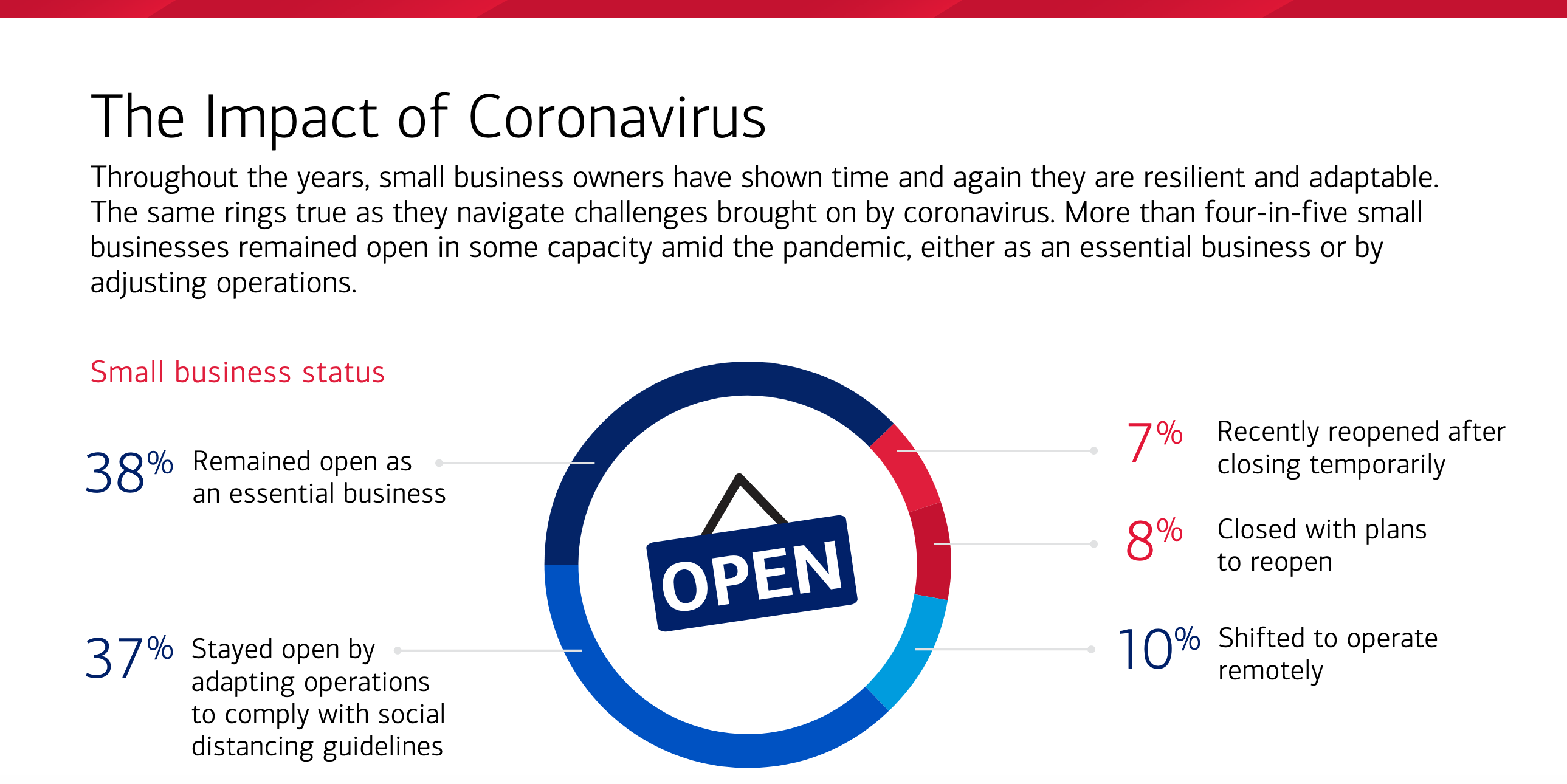
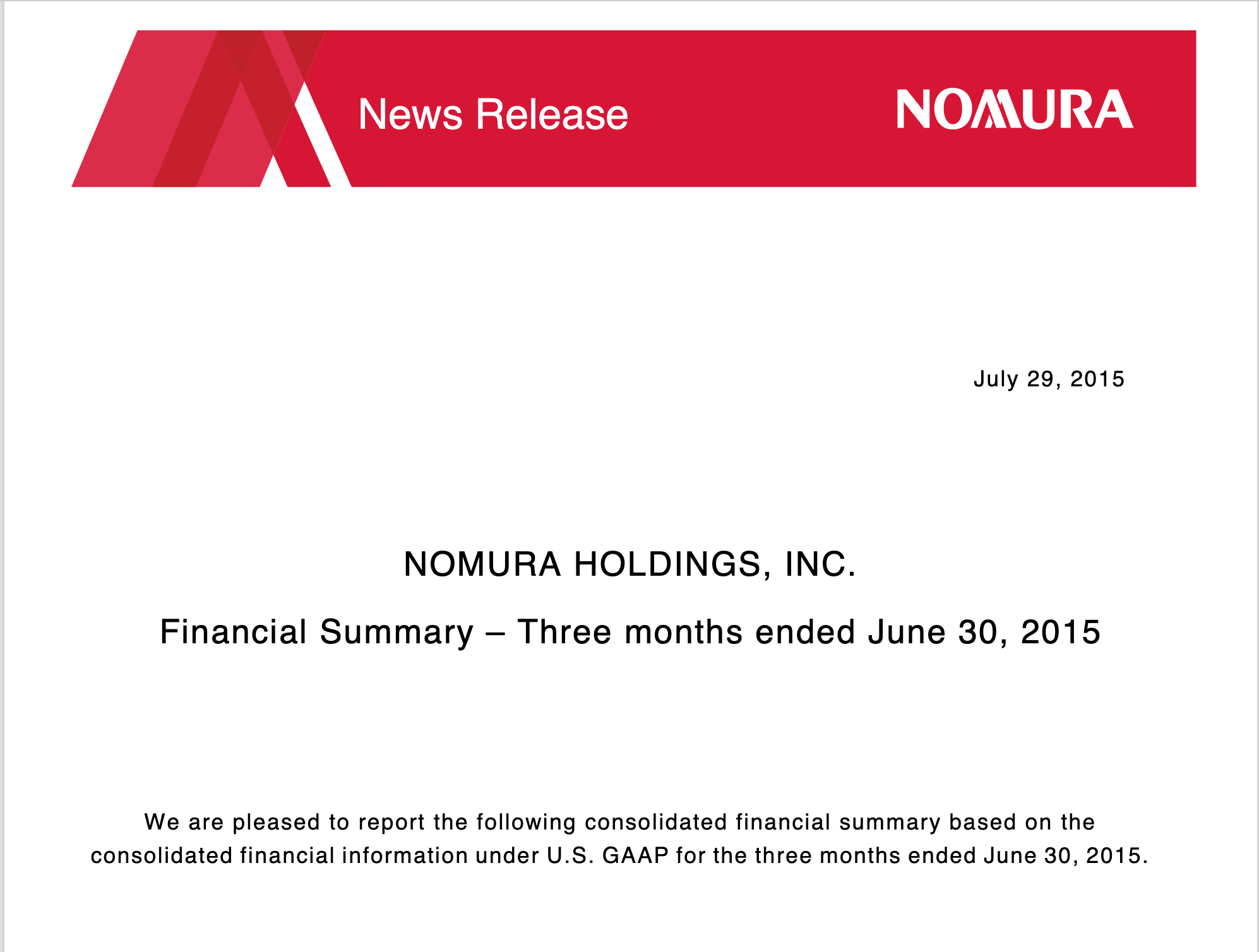
<div class="chapter standard" id="chapter-business-genres" title="Business Genres"><div class="chapter-title-wrap"><h3 class="chapter-number">13</h3><h2 class="chapter-title">Business Genres</h2></div><div class="ugc chapter-ugc"> <p>To follow are examples of business genres you may come across in the study of your discipline or in the work force. These are relevant examples of the business genres you may need to analyze in your Composition and Research course.</p> <h5><strong><em>Direct mail marketing example <span class="footnote"><span class="footnote-indirect" data-fnref="107-1"></span></span></em></strong></h5> <p><strong><em>Lifestyle Publishing</em></strong></p> <p><strong>Purpose</strong><br /> Lifestyle Publishing uses these postcards as part of its marketing campaign utilizing email, print, and digital ad media. The campaign was launched to encourage Christian writers to self-publish.</p> <p><strong>What Works</strong><br /> This 2019 postcard communicates that Lifestyle Publishing understands the needs of self-publishers. By placing actual book covers from other self-published authors and listing the services offered, they make an immediate connection with their prospects. Prospects see what appears to be an open bible and make the connection to Christian books.</p> <p><strong>Category:</strong> Publishing</p> <p><strong>Product:</strong> Full Editing and Publishing Services</p> <p><a href="http://tlflimited.com/" data-url="http://tlflimited.com/"><img class="aligncenter wp-image-285" src="https://ubalt.pressbooks.pub/app/uploads/sites/8/2020/11/postcard1-300x202.png" alt="Example of Lifestyle publishing flyer, front cover." width="414" height="279" srcset="https://ubalt.pressbooks.pub/app/uploads/sites/8/2020/11/postcard1-300x202.png 300w, https://ubalt.pressbooks.pub/app/uploads/sites/8/2020/11/postcard1-1024x690.png 1024w, https://ubalt.pressbooks.pub/app/uploads/sites/8/2020/11/postcard1-768x518.png 768w, https://ubalt.pressbooks.pub/app/uploads/sites/8/2020/11/postcard1-1536x1036.png 1536w, https://ubalt.pressbooks.pub/app/uploads/sites/8/2020/11/postcard1-65x44.png 65w, https://ubalt.pressbooks.pub/app/uploads/sites/8/2020/11/postcard1-225x152.png 225w, https://ubalt.pressbooks.pub/app/uploads/sites/8/2020/11/postcard1-350x236.png 350w, https://ubalt.pressbooks.pub/app/uploads/sites/8/2020/11/postcard1.png 1550w" /></a></p> <h6 style="text-align: center;"><span style="color: #ff0000;"><em>front</em></span></h6> <p><a href="http://tlflimited.com/" data-url="http://tlflimited.com/"><img class="aligncenter wp-image-286" src="https://ubalt.pressbooks.pub/app/uploads/sites/8/2020/11/postcard2-300x197.png" alt="Examples of Lifestyle publishing formats and list of services." width="429" height="282" srcset="https://ubalt.pressbooks.pub/app/uploads/sites/8/2020/11/postcard2-300x197.png 300w, https://ubalt.pressbooks.pub/app/uploads/sites/8/2020/11/postcard2-1024x674.png 1024w, https://ubalt.pressbooks.pub/app/uploads/sites/8/2020/11/postcard2-768x506.png 768w, https://ubalt.pressbooks.pub/app/uploads/sites/8/2020/11/postcard2-1536x1011.png 1536w, https://ubalt.pressbooks.pub/app/uploads/sites/8/2020/11/postcard2-65x43.png 65w, https://ubalt.pressbooks.pub/app/uploads/sites/8/2020/11/postcard2-225x148.png 225w, https://ubalt.pressbooks.pub/app/uploads/sites/8/2020/11/postcard2-350x230.png 350w, https://ubalt.pressbooks.pub/app/uploads/sites/8/2020/11/postcard2.png 1852w" /></a></p> <h6 style="text-align: center;"><span style="color: #ff0000;"><em>back</em></span></h6> <h5><strong><em>&nbsp;&nbsp;&nbsp;&nbsp;&nbsp;&nbsp;&nbsp;&nbsp;&nbsp;&nbsp;&nbsp;</em></strong></h5> <h5><a href="https://about.bankofamerica.com/assets/pdf/Updated_SBOR_Fall2020_R15_AB_r3.pdf" data-url="https://about.bankofamerica.com/assets/pdf/Updated_SBOR_Fall2020_R15_AB_r3.pdf"><strong><em>Business report sample</em></strong></a> <span class="footnote"><span class="footnote-indirect" data-fnref="107-2"></span></span></h5> <p><a href="https://about.bankofamerica.com/assets/pdf/Updated_SBOR_Fall2020_R15_AB_r3.pdf" data-url="https://about.bankofamerica.com/assets/pdf/Updated_SBOR_Fall2020_R15_AB_r3.pdf"><img class="aligncenter wp-image-244 size-full" src="https://ubalt.pressbooks.pub/app/uploads/sites/8/2020/11/Screen-Shot-2020-12-18-at-7.15.35-AM.png" alt="Small business owner report 2020" width="2578" height="1290" srcset="https://ubalt.pressbooks.pub/app/uploads/sites/8/2020/11/Screen-Shot-2020-12-18-at-7.15.35-AM.png 2578w, https://ubalt.pressbooks.pub/app/uploads/sites/8/2020/11/Screen-Shot-2020-12-18-at-7.15.35-AM-300x150.png 300w, https://ubalt.pressbooks.pub/app/uploads/sites/8/2020/11/Screen-Shot-2020-12-18-at-7.15.35-AM-1024x512.png 1024w, https://ubalt.pressbooks.pub/app/uploads/sites/8/2020/11/Screen-Shot-2020-12-18-at-7.15.35-AM-768x384.png 768w, https://ubalt.pressbooks.pub/app/uploads/sites/8/2020/11/Screen-Shot-2020-12-18-at-7.15.35-AM-1536x769.png 1536w, https://ubalt.pressbooks.pub/app/uploads/sites/8/2020/11/Screen-Shot-2020-12-18-at-7.15.35-AM-2048x1025.png 2048w, https://ubalt.pressbooks.pub/app/uploads/sites/8/2020/11/Screen-Shot-2020-12-18-at-7.15.35-AM-65x33.png 65w, https://ubalt.pressbooks.pub/app/uploads/sites/8/2020/11/Screen-Shot-2020-12-18-at-7.15.35-AM-225x113.png 225w, https://ubalt.pressbooks.pub/app/uploads/sites/8/2020/11/Screen-Shot-2020-12-18-at-7.15.35-AM-350x175.png 350w" /></a></p> <p>&nbsp;</p> <h5><a href="https://www.villageofschaumburg.com/home/showpublisheddocument?id=2431" data-url="https://www.villageofschaumburg.com/home/showpublisheddocument?id=2431"><strong><em>Information technology status report <span class="footnote"><span class="footnote-indirect" data-fnref="107-3"></span></span></em></strong></a></h5> <p><a href="https://www.villageofschaumburg.com/home/showpublisheddocument?id=2431" data-url="https://www.villageofschaumburg.com/home/showpublisheddocument?id=2431"><img class="aligncenter wp-image-247 size-full" src="https://ubalt.pressbooks.pub/app/uploads/sites/8/2020/11/Screen-Shot-2020-12-18-at-7.26.07-AM.png" alt="Village of Schaumburg Information Technology dept. monthly report" width="1288" height="1358" srcset="https://ubalt.pressbooks.pub/app/uploads/sites/8/2020/11/Screen-Shot-2020-12-18-at-7.26.07-AM.png 1288w, https://ubalt.pressbooks.pub/app/uploads/sites/8/2020/11/Screen-Shot-2020-12-18-at-7.26.07-AM-285x300.png 285w, https://ubalt.pressbooks.pub/app/uploads/sites/8/2020/11/Screen-Shot-2020-12-18-at-7.26.07-AM-971x1024.png 971w, https://ubalt.pressbooks.pub/app/uploads/sites/8/2020/11/Screen-Shot-2020-12-18-at-7.26.07-AM-768x810.png 768w, https://ubalt.pressbooks.pub/app/uploads/sites/8/2020/11/Screen-Shot-2020-12-18-at-7.26.07-AM-65x69.png 65w, https://ubalt.pressbooks.pub/app/uploads/sites/8/2020/11/Screen-Shot-2020-12-18-at-7.26.07-AM-225x237.png 225w, https://ubalt.pressbooks.pub/app/uploads/sites/8/2020/11/Screen-Shot-2020-12-18-at-7.26.07-AM-350x369.png 350w" /></a></p> <p>&nbsp;</p> <h5><strong><em>Financial summary example <span class="footnote"><span class="footnote-indirect" data-fnref="107-4"></span></span></em></strong></h5> <p>&nbsp;</p> <p><a href="https://ubalt.pressbooks.pub/app/uploads/sites/8/2020/11/Financial-Summary-Report-Sample.pdf" data-url="https://ubalt.pressbooks.pub/app/uploads/sites/8/2020/11/Financial-Summary-Report-Sample.pdf"><img class="aligncenter wp-image-297 size-full" src="https://ubalt.pressbooks.pub/app/uploads/sites/8/2020/11/NomuraFinanSumm.png" alt="Nomura Financial Holdings Inc. Financial Summary Report" width="1994" height="1508" srcset="https://ubalt.pressbooks.pub/app/uploads/sites/8/2020/11/NomuraFinanSumm.png 1994w, https://ubalt.pressbooks.pub/app/uploads/sites/8/2020/11/NomuraFinanSumm-300x227.png 300w, https://ubalt.pressbooks.pub/app/uploads/sites/8/2020/11/NomuraFinanSumm-1024x774.png 1024w, https://ubalt.pressbooks.pub/app/uploads/sites/8/2020/11/NomuraFinanSumm-768x581.png 768w, https://ubalt.pressbooks.pub/app/uploads/sites/8/2020/11/NomuraFinanSumm-1536x1162.png 1536w, https://ubalt.pressbooks.pub/app/uploads/sites/8/2020/11/NomuraFinanSumm-65x49.png 65w, https://ubalt.pressbooks.pub/app/uploads/sites/8/2020/11/NomuraFinanSumm-225x170.png 225w, https://ubalt.pressbooks.pub/app/uploads/sites/8/2020/11/NomuraFinanSumm-350x265.png 350w" /></a></p> <div class="footnotes"><div id='107-1'>TLF Limited Management (2021). Lifestyle Publishing. tlflimited.com</div><div id='107-2'>Bank of America's Small Business support services: https://about.bankofamerica.com/en-us/what-guides-us/small-businesses.html#fbid=sO-At7q-lyR</div><div id='107-3'>Access the Village of Schaumburg's monthly reports for all government departments here: https://www.villageofschaumburg.com/government</div><div id='107-4'>Sample Templates (2020). Nomura Holdsings Inc.: Financial Summary. https://www.sampletemplates.com/business-templates/sample-financial-summary-template.html </div></div></div></div>
<div class="chapter standard" id="chapter-business-memos" title="Business Memos"><div class="chapter-title-wrap"><h3 class="chapter-number">14</h3><h2 class="chapter-title">Business Memos</h2></div><div class="ugc chapter-ugc"><p>The following is a sample business memo that is used across business disciplines. Notice its formatting, the topics covered, and logical, orderly manner in which the information is laid out.</p> <p>&nbsp;</p> <h3><strong>SAMPLE: </strong>MEMORANDUM</h3> <p><strong>TO:</strong> S.B. Brown, Director of Promotions</p> <p><strong>FROM:</strong> H. Carlton, Promotions Assistant</p> <p><strong>DATE:</strong> January 24, 2017</p> <p><strong>SUBJECT:</strong> Spring Production Promotion</p> <p>Based on current COVID-19 restrictions, we may need to change our approach to promoting the production. Our production schedule has been pushed back to the summer and we need to reprioritize all scheduling. We have concluded that our promotional efforts need to align with state guidance for reopening restaurants and theatres, key venues for our promotional strategy. Even though the majority of our promotions to date have been through social media, it has also become increasingly clear that using a crowdfunding internet tool to communicate with our target audience will broaden our reach and open doors to new opportunities for funding.</p> <h6><strong>Crowdfunding Advertising</strong></h6> <p>BCD Company needs to focus advertising on crowdfunding internet sites. The following sites are listed in order of popularity and priority for implementation:</p> <ul><li>Kickstarter</li> <li>GoFundMe</li> <li>YouCaring</li> </ul> <p>Reprioritizing our efforts from majority social media to equal coverage on crowdfunding sites will more promote our project with the added value of raising funds for production.</p> <p>By refocusing our promotional efforts we will be able to use social media to push prospects toward our crowdfunding space, get optimum exposure for our production, and target potential  funding opportunities.</p> <p>Attachments: Crowdfunding Accomplishments, 2015-16</p> <pre></pre> </div></div>
<div class="chapter standard" id="chapter-business-memo-practice" title="Business Memo Practice"><div class="chapter-title-wrap"><h3 class="chapter-number">15</h3><h2 class="chapter-title">Business Memo Practice</h2></div><div class="ugc chapter-ugc"> <p>Now that you’ve reviewed the <a href="#chapter-business-memos" data-url="https://ubalt.pressbooks.pub/businesswritingguide/chapter/business-memos/"><strong>business memo sample</strong></a>, draft a memo to BCD Company recommending one crowdfunder as the primary platform for crowdfunding promotions for a movie production. Do your research! Check out Kickstarter, GoFundMe, and YouCaring to ascertain which platform would be most suitable.</p> </div></div>
<div class="chapter standard" id="chapter-self-marketing" title="Self-Marketing"><div class="chapter-title-wrap"><h3 class="chapter-number">16</h3><h2 class="chapter-title">Self-Marketing</h2></div><div class="ugc chapter-ugc"> <p>Self-marketing, or selling yourself and your skills, is crucial to getting the job, starting the career, landing the internship you want. To follow is guidance for writing cover letters and resumes from the University of Baltimore Writing Program. You can view <em><strong><a href="http://www.ubalt.edu/campus-life/career-center/career-services-online/how-to-guides/sample-resumes.cfm" data-url="http://www.ubalt.edu/campus-life/career-center/career-services-online/how-to-guides/sample-resumes.cfm">sample resumes through the University of Baltimore’s Career Center.</a></strong></em></p> <h5><em><strong>Objective vs. professional summary</strong></em></h5> <p>There are different notions about the use of an objective or a professional summary in a resume. Often, it depends on the purpose of the resume. If your purpose is to secure a particular, narrowly defined position, you may want to use an objective. However, if you are seeking to sell yourself on your skills and experience, you may want to consider a professional summary.</p> <p>A <span class="glossary-term">professional summary</span> is your elevator pitch — it is your opportunity to tell the hiring manager, right off the top, who you are and what you can do. The following summary shows the applicants qualities and skills.</p> <div class="textbox shaded"><em>Professional summary example: Enthusiastic graduate eager to contribute to team success through hard work, attention to detail and excellent organizational skills. Clear understanding of determining business objectives and providing new software and applications based on company needs. Motivated to learn, grow and excel in [Industry].</em></div> <p>&nbsp;</p> <h6><em><strong>Professional summary exercise</strong></em></h6> <p><strong>Instructions:</strong> Think of all the skills you possess and draft a 1-2 sentence summary that illustrates your best assets.</p> <p><code></code></p> <div class="textbox interactive-content"><span class="interactive-content__icon"></span> <p>An interactive or media element has been excluded from this version of the text. You can view it online here:<br /> <a href="https://ubalt.pressbooks.pub/businesswritingguide/?p=126#pb-interactive-content" title="Professional Summary Exercise" data-url="https://ubalt.pressbooks.pub/businesswritingguide/?p=126#pb-interactive-content">https://ubalt.pressbooks.pub/businesswritingguide/?p=126</a> </p> </div> <p></p> <p>&nbsp;</p> <h5><strong><em>Curriculum vita vs. resume</em></strong></h5> <p>A curriculum vita, or “course of life,” is most appropriate for a seasoned jobseeker with many years experience. It may also be appropriate for someone who is changing careers and seeks to document all of his or her experience and skills. For most students with limited experience in the workforce, a resume detailing education, skills, and job experience is most appropriate. Examine the resume example below, notice the format and consider how you will format your own resume.</p> <h6><strong><a href="https://img1.wsimg.com/blobby/go/6df2924e-6292-4b27-b531-f540e4c4fe13/downloads/resume-examples-by-industry-job-title-livecare.png?ver=1606687442803" data-url="https://img1.wsimg.com/blobby/go/6df2924e-6292-4b27-b531-f540e4c4fe13/downloads/resume-examples-by-industry-job-title-livecare.png?ver=1606687442803"><em>Resume example</em></a></strong></h6> <p><a href="https://img1.wsimg.com/blobby/go/6df2924e-6292-4b27-b531-f540e4c4fe13/downloads/resume-examples-by-industry-job-title-livecare.png?ver=1606687442803" target="_blank" rel="noopener noreferrer" data-url="https://img1.wsimg.com/blobby/go/6df2924e-6292-4b27-b531-f540e4c4fe13/downloads/resume-examples-by-industry-job-title-livecare.png?ver=1606687442803"><img class="alignnone wp-image-257 size-full" src="https://ubalt.pressbooks.pub/app/uploads/sites/8/2020/11/Screen-Shot-2020-12-18-at-7.57.47-AM.png" alt="Resume example formatted with centered headings and brief descriptions on a single page document" width="1676" height="1430" srcset="https://ubalt.pressbooks.pub/app/uploads/sites/8/2020/11/Screen-Shot-2020-12-18-at-7.57.47-AM.png 1676w, https://ubalt.pressbooks.pub/app/uploads/sites/8/2020/11/Screen-Shot-2020-12-18-at-7.57.47-AM-300x256.png 300w, https://ubalt.pressbooks.pub/app/uploads/sites/8/2020/11/Screen-Shot-2020-12-18-at-7.57.47-AM-1024x874.png 1024w, https://ubalt.pressbooks.pub/app/uploads/sites/8/2020/11/Screen-Shot-2020-12-18-at-7.57.47-AM-768x655.png 768w, https://ubalt.pressbooks.pub/app/uploads/sites/8/2020/11/Screen-Shot-2020-12-18-at-7.57.47-AM-1536x1311.png 1536w, https://ubalt.pressbooks.pub/app/uploads/sites/8/2020/11/Screen-Shot-2020-12-18-at-7.57.47-AM-65x55.png 65w, https://ubalt.pressbooks.pub/app/uploads/sites/8/2020/11/Screen-Shot-2020-12-18-at-7.57.47-AM-225x192.png 225w, https://ubalt.pressbooks.pub/app/uploads/sites/8/2020/11/Screen-Shot-2020-12-18-at-7.57.47-AM-350x299.png 350w" /></a></p> <h5><strong><em>Accomplishment statements vs. responsibility statements</em></strong></h5> <p>The primary purpose of a resume is to tell a potential employer what you did&nbsp;<strong><em>well</em></strong> in each of you employment, internship, or volunteer positions. To do this, you should compose accomplishment statements using <a href="https://ubalt.pressbooks.pub/app/uploads/sites/8/2020/11/Action-Verbs-for-Resumes.pdf" data-url="https://ubalt.pressbooks.pub/app/uploads/sites/8/2020/11/Action-Verbs-for-Resumes.pdf">Action Verbs for Resumes</a> to describe your success, aptitude, and accomplishment.</p> <p>Accomplishment statements differ from responsibility statements in that one shows what you did and the other shows how well you did it. This distinction is important because potential employers are more interested in how well you&nbsp;performed your duties, not just that you performed them.</p> <h6><em><strong><a href="https://img1.wsimg.com/blobby/go/6df2924e-6292-4b27-b531-f540e4c4fe13/downloads/Accomplishment%2BStatements%2Bexercise.pdf?ver=1606687442803" data-url="https://img1.wsimg.com/blobby/go/6df2924e-6292-4b27-b531-f540e4c4fe13/downloads/Accomplishment%2BStatements%2Bexercise.pdf?ver=1606687442803">Accomplishment statement exercise</a></strong></em></h6> <p><strong>Instructions:</strong> Review the accomplishment statement guidance and complete the exercise below OR as a <a href="https://img1.wsimg.com/blobby/go/6df2924e-6292-4b27-b531-f540e4c4fe13/downloads/Accomplishment%2BStatements%2Bexercise.pdf?ver=1606687442803" data-url="https://img1.wsimg.com/blobby/go/6df2924e-6292-4b27-b531-f540e4c4fe13/downloads/Accomplishment%2BStatements%2Bexercise.pdf?ver=1606687442803">downloadable PDF</a>.</p> <p><code></code></p> <div class="textbox interactive-content"><span class="interactive-content__icon"></span> <p>An interactive or media element has been excluded from this version of the text. You can view it online here:<br /> <a href="https://ubalt.pressbooks.pub/businesswritingguide/?p=126#pb-interactive-content" title="Accomplishment Statements Exercise" data-url="https://ubalt.pressbooks.pub/businesswritingguide/?p=126#pb-interactive-content">https://ubalt.pressbooks.pub/businesswritingguide/?p=126</a> </p> </div> <p></p> </div></div>
<div class="chapter standard" id="chapter-research-and-writing" title="Research and Writing"><div class="chapter-title-wrap"><h3 class="chapter-number">17</h3><h2 class="chapter-title">Research and Writing</h2><h2 class="chapter-author">Tracy Worley</h2></div><div class="ugc chapter-ugc"> <div class="research-and-writing"><p class="import-Normal">Business students should be prepared to conduct research to validate and substantiate the points made in their essays. Sources should be obtained from expert or authoritative sources, and information used from these sources should be properly cited per <a href="https://apastyle.apa.org/" data-url="https://apastyle.apa.org/">APA standards and formatting</a>. Research requires detailed, methodical examination of a specific topic. Every writer has an opinion about their topic, but only opinions that are corroborated by expert or authoritative sources will be considered substantiated.</p> <p>An article or paper written by an expert, for example, may be used as a source.&nbsp; In the example below, Expository Writing Boot Camp is an expert on expository writing, and therefore their quote on the qualities of an expert source is considered authoritative and substantiates this book’s claim about using expert sources.</p> <div class="textbox shaded">“An expert source is a specialist, an individual who is a known expert in a subject-matter, usually by virtue of their professional or academic affiliation, peer-reviewed publications, or presentations” (<a href="https://expositorywritingbootcamp.com/" data-url="https://expositorywritingbootcamp.com/">Expository Writing Boot Camp</a>, 2020).<br /> AND<br /> “An authoritative source is reliable, well-researched, and authentic because it is widely recognized” (<a href="https://expositorywritingbootcamp.com/" data-url="https://expositorywritingbootcamp.com/">Expository Writing Boot Camp</a>, 2020).</div> <p class="import-Normal">A few examples of authoritative sources are <a href="https://www.bloomberg.com/businessweek" data-url="https://www.bloomberg.com/businessweek">Business Week</a>, <a href="https://www.nytimes.com/" data-url="https://www.nytimes.com/">The New York Times</a>, or <a href="https://www.webmd.com/default.htm" data-url="https://www.webmd.com/default.htm">WebMD</a>. An article in one of these publications would be considered authoritative.</p> <p class="import-Normal">Online blogs and public information sources such as <a href="https://www.wikipedia.org/" data-url="https://www.wikipedia.org/">Wikipedia</a>, is not considered authoritative. It is unreliable because it is public domain, and anyone can publish with no peer review or validation of facts. However, by using the <a href="https://webliteracy.pressbooks.com/chapter/what-reading-laterally-means/" data-url="https://webliteracy.pressbooks.com/chapter/what-reading-laterally-means/">lateral reading</a> technique of searching additional citations, affiliations, or other information found on the website, a good researcher will be able to legitimize some information found in an unreliable, non-authoritative source (<a href="https://expositorywritingbootcamp.com/" data-url="https://expositorywritingbootcamp.com/">Expository Writing Boot Camp</a>, 2020).</p> <h5 class="import-Normal">online research sources:</h5> <ul><li class="import-Normal" style="text-indent: 36pt;">Bielefeld Academic Search Engine</li> <li class="import-Normal" style="text-indent: 36pt;">Educational Resources Information Center</li> <li class="import-Normal" style="text-indent: 36pt;">Google</li> <li class="import-Normal" style="text-indent: 36pt;">Google books</li> <li class="import-Normal" style="text-indent: 36pt;">Google scholar</li> <li class="import-Normal" style="text-indent: 36pt;">Infotopia</li> <li class="import-Normal" style="text-indent: 36pt;">iSeek</li> <li class="import-Normal" style="text-indent: 36pt;">Microsoft Academic</li> <li class="import-Normal" style="text-indent: 36pt;">RefSeek</li> <li class="import-Normal" style="text-indent: 36pt;">ResearchGate</li> <li class="import-Normal" style="text-indent: 36pt;">Wolfram Alpha</li> <li class="import-Normal" style="text-indent: 36pt;">Your school library<strong><em><br style="clear: both;" /></em></strong></li> </ul> </div> </div></div>
<div class="chapter standard" id="chapter-online-research-practice" title="Online Research Practice"><div class="chapter-title-wrap"><h3 class="chapter-number">18</h3><h2 class="chapter-title">Online Research Practice</h2></div><div class="ugc chapter-ugc"> <h5><em><strong>Online research practice: Current events in a historical context</strong></em></h5> <p><strong>Instructions:</strong> Conduct research on the transfer of power in the U.S executive branch of government. Read the article, <a href="https://www.historians.org/publications-and-directories/perspectives-on-history/september-2020/on-the-peaceful-transfer-of-power-lessons-from-1800" data-url="https://www.historians.org/publications-and-directories/perspectives-on-history/september-2020/on-the-peaceful-transfer-of-power-lessons-from-1800">On the Peaceful Transfer</a> of Power by Sara Georgini published by the American Historical Association. <span class="footnote"><span class="footnote-indirect" data-fnref="173-1"></span></span>, then find credible sources that focus on the topic discussed in the article.</p> <div class="footnotes"><div id='173-1'>https://www.historians.org/publications-and-directories/perspectives-on-history/september-2020/on-the-peaceful-transfer-of-power-lessons-from-1800</div></div></div></div>
<div class="chapter standard" id="chapter-evaluating-sources" title="Evaluating Sources"><div class="chapter-title-wrap"><h3 class="chapter-number">19</h3><h2 class="chapter-title">Evaluating Sources</h2></div><div class="ugc chapter-ugc"> <p>In research and most forms of business writing, you must evaluate the source material you find to determine if it is authoritative, expert, or credible. By using sources that do not fall into one of these categories, you may find that your writing is not taken seriously or it will be determined illegitimate because it has no evidence to back up the points you are making.</p> <p>Review <a href="https://youtu.be/PLTOVoHbH5c" data-url="https://youtu.be/PLTOVoHbH5c">Evaluating Sources for Credibility</a> from NCSU Libraries.</p> <div class="textbox interactive-content interactive-content--oembed"><img src="https://i.ytimg.com/vi/PLTOVoHbH5c/hqdefault.jpg" alt="Thumbnail for the embedded element &quot;Evaluating Sources for Credibility&quot;" title="Evaluating Sources for Credibility" /> <p>A YouTube element has been excluded from this version of the text. You can view it online here: <a href="https://ubalt.pressbooks.pub/businesswritingguide/?p=168#pb-interactive-content" title="Evaluating Sources for Credibility" data-url="https://ubalt.pressbooks.pub/businesswritingguide/?p=168#pb-interactive-content">https://ubalt.pressbooks.pub/businesswritingguide/?p=168</a> </p> </div> <h6><em><strong><a href="https://ubalt.pressbooks.pub/app/uploads/sites/8/2020/11/Evaluate_a_news_story_fillable.pdf" data-url="https://ubalt.pressbooks.pub/app/uploads/sites/8/2020/11/Evaluate_a_news_story_fillable.pdf">Evaluate a News Story</a></strong></em></h6> <p><strong>Instructions:</strong> Practice <a href="https://ubalt.pressbooks.pub/app/uploads/sites/8/2020/11/Evaluate_a_news_story_fillable.pdf" data-url="https://ubalt.pressbooks.pub/app/uploads/sites/8/2020/11/Evaluate_a_news_story_fillable.pdf">Evaluating a news story</a> by completing the following worksheet using what you learned in the previous chapters, linked content, and the accompanying video tutorials.</p> </div></div>
<div class="chapter standard" id="chapter-citing-sources" title="Citing Sources"><div class="chapter-title-wrap"><h3 class="chapter-number">20</h3><h2 class="chapter-title">Citing Sources</h2></div><div class="ugc chapter-ugc"> <p>Most writing in business and other academic disciplines (except for English) use American Psychological Association (APA) standards for formatting documents, including research papers.</p> <p>Review <a href="https://youtu.be/xWFqv-aJAXE" data-url="https://youtu.be/xWFqv-aJAXE">APA Format: Paper Basics</a> from EasyBib:</p> <p>&nbsp;</p> <div class="textbox interactive-content interactive-content--oembed"><img src="https://i.ytimg.com/vi/xWFqv-aJAXE/hqdefault.jpg" alt="Thumbnail for the embedded element &quot;APA format: Paper basics | EasyBib&quot;" title="APA format: Paper basics | EasyBib" /> <p>A YouTube element has been excluded from this version of the text. You can view it online here: <a href="https://ubalt.pressbooks.pub/businesswritingguide/?p=140#pb-interactive-content" title="APA format: Paper basics | EasyBib" data-url="https://ubalt.pressbooks.pub/businesswritingguide/?p=140#pb-interactive-content">https://ubalt.pressbooks.pub/businesswritingguide/?p=140</a> </p> </div> <p>Citing your sources involves the critical functions of</p> <ol><li>Ensuring you give proper attribution to the owner of the intellectual property and</li> <li>Ensuring you do not plagiarize the intellectual property of others.</li> </ol> <p>One of the most popular resources for up-to-date APA format (7th edition, 2019) standards in on the <a href="https://owl.purdue.edu/owl/research_and_citation/apa_style/apa_formatting_and_style_guide/general_format.html" data-url="https://owl.purdue.edu/owl/research_and_citation/apa_style/apa_formatting_and_style_guide/general_format.html">Purdue University Online Writing Lab</a> (Purdue OWL).</p> <h6><a href="https://img1.wsimg.com/blobby/go/6df2924e-6292-4b27-b531-f540e4c4fe13/downloads/apa-citation-worksheet_fillable.pdf?ver=1606687442803" data-url="https://img1.wsimg.com/blobby/go/6df2924e-6292-4b27-b531-f540e4c4fe13/downloads/apa-citation-worksheet_fillable.pdf?ver=1606687442803"><em><strong>APA Citation Worksheets</strong></em></a></h6> <p>Instructions: Complete the worksheets created by <a href="https://secondary.educator.oslis.org/oslissupport/osliscopypolicy" data-url="https://secondary.educator.oslis.org/oslissupport/osliscopypolicy">Oregon School Library Information System</a><span class="footnote"><span class="footnote-indirect" data-fnref="140-1"></span></span> to sharpen your APA citation formatting skills.</p> <div class="footnotes"><div id='140-1'>Oregon School Library Information System created a set of openly licensed materials through funding from an IMLS grant. Use policy: https://secondary.educator.oslis.org/oslissupport/osliscopypolicy</div></div></div></div>
<div class="chapter standard" id="chapter-the-research-process" title="The Writing Process"><div class="chapter-title-wrap"><h3 class="chapter-number">21</h3><h2 class="chapter-title">The Writing Process</h2><h2 class="chapter-author">Tracy Worley and Ruth Robinson</h2></div><div class="ugc chapter-ugc"> <p>There are five fundamental steps in the writing process:</p> <ol><li><strong>prewriting</strong></li> <li><strong>drafting</strong></li> <li><strong>revising</strong></li> <li><strong>editing</strong></li> <li><strong>proofreading</strong></li> </ol> <p>But what does it all mean? Any writer, whether collegiate or professional, should have an organized process so their final product is thoughtful, organized, and well-written. Review the <a href="http://openwriting.org/index.php/composition-01-the-writing-process" data-url="http://openwriting.org/index.php/composition-01-the-writing-process">Open Writing</a><span class="footnote"><span class="footnote-indirect" data-fnref="136-1"></span></span>&nbsp;chapters on the writing process.</p> <h5><strong><em>The Steps in the Process</em></strong></h5> <p>Once you select your topic, begin your research. Check some of the online research sources, including your school library, and take copious notes – that means a lot of notes! Your research should include many perspectives on the same issue. If you are writing a researched argument, you want to be aware of both sides of the issue. Now you can begin to write.</p> <p>I like to call <strong><em><span class="glossary-term">prewriting</span> </em></strong>a “brain dump.” Review the <a href="http://openwriting.org/index.php/composition-02-generating-ideas" data-url="http://openwriting.org/index.php/composition-02-generating-ideas">Pre-Writing Strategies</a> for generating ideas on the <a href="http://openwriting.org/index.php" data-url="http://openwriting.org/index.php">OpenWriting.org</a> open educational web source.</p> <p>You’ve dumped everything on the page. Now it’s time to organize your thoughts. What are the key messages you want to convey? Begin with your topic. What is it you want to say? This will inform your thesis statement — a single sentence, usually at the end of the introductory paragraph, that expresses the main point, idea, or argument of a research or expository paper. Organize your key messages from introduction of the topic to your conclusion. For example, if your topic is coronavirus testing, determine your position on testing and the point you want to make about it. The outline of what you want to write about might look like this –</p> <ol><li>Introduction – testing should be mandated and implemented by the federal government for every citizen (thesis)</li> <li>Coronavirus: “Hoax” or Pandemic (background on virus spread, reactions of government leadership, etc.) <ol><li>Testing capacity at the state level (advantages and disadvantages)</li> </ol> </li> <li>Conclusion (summarizes points supporting thesis and concludes why the thesis is correct)</li> </ol> <p>Another strategy for visual learners is the <strong><em><span class="glossary-term">clustering exercise</span>.&nbsp;</em></strong> In our example of the coronavirus testing paper, the cluster map might look life this –</p> <p><img class="wp-image-162 aligncenter" src="https://ubalt.pressbooks.pub/app/uploads/sites/8/2020/11/clustering-300x200.jpg" alt="clustering" width="528" height="352" srcset="https://ubalt.pressbooks.pub/app/uploads/sites/8/2020/11/clustering-300x200.jpg 300w, https://ubalt.pressbooks.pub/app/uploads/sites/8/2020/11/clustering-65x43.jpg 65w, https://ubalt.pressbooks.pub/app/uploads/sites/8/2020/11/clustering-225x150.jpg 225w, https://ubalt.pressbooks.pub/app/uploads/sites/8/2020/11/clustering-350x233.jpg 350w, https://ubalt.pressbooks.pub/app/uploads/sites/8/2020/11/clustering.jpg 475w" /></p> <p>Now you are ready to <strong><em>draft</em></strong> your paper. Section by section, attack the topics you’ve outlined. Don’t worry about word or page count – just write. When using material from your sources, note where you got them so you can appropriately cite them in-text (within the narrative using parentheses at the end of the statement or paragraph you quoted or summarized) and in your reference list at the end of the paper.</p> <div class="textbox shaded" style="text-align: center;"><em>If you cite it in-text, list it. If it’s in the list and it’s not cited in the paper, it should be.</em></div> <p>&nbsp;</p> <p>The draft is done! All that research and thoughtfulness has paid off in an essay you can mold into your own literary masterpiece. Now, check your writing.</p> <ol><li><em>Does my thesis clearly state my main point? </em></li> <li><em>Who is my audience, and will they understand the points I am trying to convey?</em></li> <li><em>What sources did I use, and have I properly attributed their work and listed them in my reference section?&nbsp;</em></li> </ol> <p>After checking your paper with the checklist above, review the <a href="http://openwriting.org/index.php/composition-07-editing-and-revising" data-url="http://openwriting.org/index.php/composition-07-editing-and-revising">Revision</a> on the <a href="http://openwriting.org/" data-url="http://openwriting.org/">OpenWriting.org</a> open educational web source and complete the exercises your instructor assigns.&nbsp; After that, now you can revise!</p> <p><strong><em>Revising</em></strong> your paper entails tightening up your work, making spelling and grammatical corrections, checking your use of language and voice. Unless your paper is a commentary or a conversation, write in the 3rd person. Even your opinion can be expressed in the 3rd person by stating affirmatively what you think. For example, <em>why did you select the organization or discourse community? </em>Instead of saying, “I chose ABC Organization because it represents my interest in the financial field,” say, “ABC Organization is a prime example of a discourse community that student of finance would be interested in.”</p> <p>Use <span class="glossary-term">active voice</span> whenever possible, instead of <span class="glossary-term">passive voice</span>. Why say, “ABC Organization is the selection of finance majors all over the university system for potential employment” (passive voice), when you can say, “Finance majors from all over the university system select ABC Organization for potential employment.” See the difference? Texas A&amp;M University Writing Center explains&nbsp; <a href="https://youtu.be/AQNvhUrAn7o" data-url="https://youtu.be/AQNvhUrAn7o">active and passive voice&nbsp;</a>in the tutorial below.</p> <div class="textbox interactive-content interactive-content--oembed"><img src="https://i.ytimg.com/vi/AQNvhUrAn7o/hqdefault.jpg" alt="Thumbnail for the embedded element &quot;Active and Passive Voice&quot;" title="Active and Passive Voice" /> <p>A YouTube element has been excluded from this version of the text. You can view it online here: <a href="https://ubalt.pressbooks.pub/businesswritingguide/?p=136#pb-interactive-content" title="Active and Passive Voice" data-url="https://ubalt.pressbooks.pub/businesswritingguide/?p=136#pb-interactive-content">https://ubalt.pressbooks.pub/businesswritingguide/?p=136</a> </p> </div> <p><strong><em>Editing</em></strong> is the next step in the writing process. It entails improving your revised draft by fixing spelling and grammatical errors, clarifying word use, and making sentences clearer and less cumbersome. This is also the time to ensure that your essay says precisely what you mean – it should accurately and effectively support your thesis. Review <a href="http://openwriting.org/index.php/composition-07a-editing-and-revision-2" data-url="http://openwriting.org/index.php/composition-07a-editing-and-revision-2">Editing</a> on the <a href="http://openwriting.org/" data-url="http://openwriting.org/">OpenWriting.org</a> open educational web source and complete the exercises your instructor assigns.</p> <p>Then, it’s time to proofread.</p> <p><strong><em>Proofreading</em></strong> is that final look at your work to ensure you’ve caught everything that needs correcting. Check your formatting, spelling, punctuation, grammar, and sentence structure. It is only after this step that your essay be ready for submission. Review <a href="http://openwriting.org/index.php/composition-08-proofreading" data-url="http://openwriting.org/index.php/composition-08-proofreading">Proofreading</a> on the <a href="http://openwriting.org/" data-url="http://openwriting.org/">OpenWriting.org</a> open educational web source. and complete the exercises your instructor assigns.</p> <div class="footnotes"><div id='136-1'>Hill.M. (2019, July 17). Composition 01: The Writing Process. Openwriting.org. http://openwriting.org/index.php/composition-01-the-writing-process</div></div></div></div>
<div class="chapter standard" id="chapter-best-practices-for-student-writers" title="Best Practices for Student Writers"><div class="chapter-title-wrap"><h3 class="chapter-number">22</h3><h2 class="chapter-title">Best Practices for Student Writers</h2><h2 class="chapter-author">Tracy Worley</h2></div><div class="ugc chapter-ugc"> <div class="best-practices-for-student-writers"><p class="import-Normal">There are four primary best practices I would recommend for students taking Composition and Research: <strong>read</strong> often; <strong>write</strong> even more often; familiarize yourself with <strong>APA format</strong>; and <strong>review the literature</strong> of your discourse community.</p> <p class="import-Normal"><strong>Reading</strong> opens a whole new world, it broadens our horizons, and allows us to experience things we haven’t experienced before. Reading also allows us to see various writing styles and ways of using words that are within the lexicon of your discourse community. If you are a marketing major, immerse yourself in various marketing channels and campaigns, review strategies, and the genres that marketing professionals use. This immersion should be undertaken regardless of your major. Then you write.</p> <p class="import-Normal">Practice <strong>writing</strong> for your discourse community using the lexis that you discovered through your reading. Determine your audience and practice writing for them. If you are an economics major, put your thoughts down on paper it they relate to a topic in your discipline. Use good English grammar and punctuation. Write in the third person, expository writing style, and try to clearly convey your thoughts using the active voice. See if your thoughts and ideas concur with experts. Review the literature.</p> <p class="import-Normal">A <strong>literature review</strong>, particularly among researchers and those pursuing advanced studies and terminal degrees, is the process of finding expert and authoritative sources within your topic area. The goal of this process is to discover the available knowledge base and determine what experts are saying about your topic. Finding sources that concur with your premise can validate your point of view. The key is knowing how to properly attribute these sources, and this takes practice. <em>Now is the time to familiarize yourself with APA format.</em></p> <p class="import-Normal">Your school’s Writing Center provides excellent a resource link for <strong>APA style</strong> guidance. The <a href="https://owl.excelsior.edu/citation-and-documentation/" data-url="https://owl.excelsior.edu/citation-and-documentation/">Excelsior Online Writing Lab</a> provides for the Modern Language Association (MLA), Chicago Style Guide, and APA, with specific attention on preparing citations, in-text and in the list. The other option is the <a href="https://owl.purdue.edu/owl/research_and_citation/apa_style/apa_style_introduction.html" data-url="https://owl.purdue.edu/owl/research_and_citation/apa_style/apa_style_introduction.html">Purdue University Online Writing Lab (OWL)</a>, a comprehensive and updated source for the latest APA formatting standards.</p> <p class="import-Normal">These best practices are merely suggestions but being prepared with some strategies for success is always a good choice.</p> </div> </div></div>
<div class="back-matter appendix" id="back-matter-appendix" title="Appendix"><div class="back-matter-title-wrap"><h3 class="back-matter-number">1</h3><h1 class="back-matter-title"><span class="display-none">Appendix</span></h1></div><div class="ugc back-matter-ugc"><p>This is where you can add appendices or other back matter.</p> </div></div>
<div class="back-matter miscellaneous" id="back-matter-notes" title="NOTES"><div class="back-matter-title-wrap"><h3 class="back-matter-number">2</h3><h1 class="back-matter-title">NOTES</h1></div><div class="ugc back-matter-ugc"> <div class="notes"><p class="import-Normal" style="text-align:center; margin-right: -9.35pt;"><strong> </strong></p> <p class="import-Normal" style="text-align:center; margin-right: -9.35pt;">________________________________________________________________________________________________________________________________________________________________________________________________________________________________________________________________________________________________________________________________________________________________________________________________________________________________________________________________________________________________________________________________________</p> </div> </div></div>

</body>
</html>